
The Real Cost of Construction Finance: Hidden Fees You Need to Know
Last updated: March 2026
Private construction spending hit almost 975 billion dollars last year. Most people don't realize how much of that money went to financing costs instead of actual building. Complex fee structures and vague contract language often mask the true cost of construction finance.
Construction project financing isn't always straightforward. Banks and traditional lenders see construction as too risky to finance, which leads to higher costs and tougher terms. The management of construction finances becomes trickier with undisclosed fees that can affect the project's bottom line by a lot. Project teams often face big cash outlays while income trickles in months later. This creates serious financial pressure.
In this piece, we'll reveal the reality behind construction financing options and budget-breaking hidden costs. We'll walk through eight common hidden fees, from loan origination to change order financing costs, and show practical ways to spot, handle, and possibly avoid them. Note that you should set aside at least 10% for surprises and extras; this becomes crucial as you navigate the complex world of construction finance.
Understanding Construction Finance Basics
Construction financing is more complex than regular mortgage loans. You can save thousands and avoid budget overruns by learning what's involved before starting your project.
What construction financing really covers
Construction loans work differently from regular mortgages. The lender doesn't give you all the money at once. Instead, they release funds in stages, often called "draws", as your project moves forward. You'll get these payments after inspectors confirm you've completed specific milestones like foundation work or framing.
A detailed construction loan usually covers:
- Land/lot acquisition costs
- Contractor labour expenses
- Building materials
- Permits and compliance costs
- Hard and soft construction costs
But construction loans don't usually cover design costs. You'll need extra money if you plan to hire an architect or interior designer.
The lender checks your project's progress before releasing each payment. They often pay contractors directly instead of sending you the money. This creates a system that protects both the lender's investment and your project's quality.
Short-term vs long-term financing
Managing construction finances means knowing the key differences between short and long-term options.
Construction-only loans give you money just for the building phase. These loans typically last 12-18 months, and you'll only pay interest on the money you've used. You must pay the full loan or switch to a permanent mortgage once construction ends.
Construction-to-permanent loans offer a simpler way forward. These "one-time close" options start as construction loans with interest-only payments. They automatically become traditional mortgages after project completion. You'll save money on fees and avoid multiple closings.
You can also consider mezzanine financing (a debt-equity mix with 20-30% returns) and mini-permanent loans (lasting 5-7 years through construction and early operation).
Renovation construction loans help fund major upgrades on existing buildings. Lot loans focus on buying residential land without covering actual construction.
Why hidden fees are common
Building new properties is riskier than buying existing ones. Construction loan rates are usually one percentage point higher than standard 30-year mortgage rates. Lenders also want bigger down payments, often 20% or more, compared to 3% for regular mortgages.
Hidden fees pop up for several reasons:
Construction loans need multiple inspections, usually four to six during your project. Each inspection might come with fees that aren't obvious in your loan paperwork.
Most construction loans have variable rates. Your monthly payments could go up based on market changes. This makes it hard to stick to your budget.
Projects often take longer than planned. You might face extension fees or refinancing costs if you go past your loan term.
Initial budgets often miss the mark. Changes in design, materials, or structure can lead to expensive change orders.
Surprises like unstable soil, hidden utility lines, or foundation problems can show up after digging starts. These issues need costly engineering fixes that weren't in your original budget.
Common Types of Construction Financing
Your project's budget success depends on picking the right construction financing option. Here are five powerful ways to fund your next building venture.
Construction loans
Traditional construction loans remain the most common way to fund building projects. These short-term options typically last 12 months or less. Unlike traditional mortgages, builders receive the funds in stages called "draws" that line up with specific construction milestones.
Construction loans operate through a monitored system:
- Lenders give funds after inspections confirm milestone completion (foundation, framing, etc.)
- Contractors receive money directly instead of borrowers
- Borrowers pay interest-only during construction (only on disbursed amounts)
- Rates run about 1% higher than traditional mortgages because of the higher risk
Lenders need detailed documentation, including construction timelines, plans, and realistic budgets for approval. Qualification standards are tougher than traditional mortgages because lenders see these loans as riskier without existing property as collateral.
Bridge loans
Bridge financing helps cover temporary funding gaps between acquisition and long-term financing. These loans give quick access to capital for urgent needs like land purchases or pre-construction work.
"Bridge loans provide temporary financing to 'bridge the gap' until a long-term financing solution is in place," explains industry expert Ralph DiBugnara. Builders find them attractive despite higher interest rates because approval can come in as little as 72 hours.
Bridge loans feature:
- Short duration (typically 6 months to 3 years)
- Higher interest rates than conventional loans
- Borrowing up to 80% of your property's value
- Payment structures range from monthly payments to balloon payments
Real estate developers and large-scale builders use bridge loans to keep projects moving between phases or grab land before competitors.
Construction-to-permanent loans
Construction-to-permanent loans offer a "one-time close" solution for efficient financing. These loans start as construction financing and automatically become traditional mortgages after building completion.
Two phases make this work:
- Construction phase: Get funds in stages with interest-only payments
- Permanent phase: Switch to standard mortgage (fixed or adjustable rate, 15-30 years)
Borrowers save money by avoiding double closing costs and qualification processes. One loan officer explains, "You avoid the hassle and fees of a second closing. And your rate stays the same – what you agreed upon at the outset".
Borrowers need higher credit scores (700+) and larger down payments (20-30%) than traditional mortgages. Some lenders might accept down payments as low as 10% in certain cases, though this varies between financial institutions.
Equity financing
Equity financing differs from debt options by selling project ownership stakes to investors. This method eliminates monthly debt payments while bringing in partners who share both risk and potential returns.
"With equity, the investor comes in as a long-term partner who can only see returns down the road over a couple of years, but with a substantially higher return than you would get from debt," explains Mayra Ceja, VP of Startup Banking at J.P. Morgan.
Commercial developers or entities handling large-scale or higher-risk projects often choose equity financing. Equity partners bring valuable expertise, industry connections, and strategic guidance beyond just capital.
Public-private partnerships
Public-private partnerships (PPPs) serve as powerful financing tools for major infrastructure or public-benefit construction projects. These cooperative efforts utilize private capital among government resources for projects like highways, bridges, and public facilities.
Private companies create Special Purpose Vehicles (SPVs) that raise funds through equity and debt combinations. Project cash flow follows a "waterfall" system that puts operational costs and debt repayment before investor returns.
PPPs help public agencies raise upfront capital at once instead of stages, speeding up project delivery. Transaction costs make PPPs unsuitable for smaller projects, yet they often determine whether a project happens at all.
How Lenders Structure and Hide Costs
Lenders have become skilled at creating financing packages that hide the real cost of construction loans. Project owners often face unexpected expenses they never predicted when they signed their original loan documents.
Bundled vs itemized fees
The presentation of fees by lenders creates huge differences in cost transparency. Bundled fee structures combine multiple charges under broad categories and make it hard to identify individual costs. Itemized approaches list each expense separately.
Here's how they differ:
- Bundled fee presentation: Lenders might simply list "loan fees" as 1.5% of the total amount
- Itemized presentation: Each fee appears separately - origination (1%), processing ($500), document preparation ($1,000)
"Most developers don't necessarily model all fees into their loan plan and are caught flat-footed when they discover unexpected charges," points out one industry expert.
Bundled approaches hide costs like third-party monitoring requirements or performance bond requirements that can add 1.5% to 2% to your project's hard costs. New borrowers often miss these details when creating their first budgets.
Itemized fee structures might look more expensive at first because they show all costs upfront. You get a chance to negotiate specific items before signing.
Variable interest rates
Construction finance's fluctuating interest rates create a major risk factor. Construction-only loans almost always use variable rates that shift throughout your project timeline.
Variable rates can be either a blessing or a curse, depending on market timing. As one lending expert notes, "Especially if you get a variable-rate loan at the end of a period of low rates, you'll probably pay more in the long run than you would have with a fixed-rate loan".
Fixed-rate construction financing exists mainly in construction-to-permanent loans. These loans lock your rate at closing and protect you from market changes throughout the project and subsequent mortgage. The downside? These loans start with slightly higher rates.
Project delays make variable rate risks worse. Each extra month leaves you open to rate increases that can push costs way beyond your original projections.
Capitalized interest during construction
Capitalized interest goes beyond direct fees - it's interest that builds up during construction before any revenue starts coming in.
Regular business loans let you expense and deduct interest right away, but construction interest works differently. Interest costs join the project's cost basis instead of becoming an expense during the construction period.
This creates a snowball effect. Monthly interest calculations include both the original loan amount and all previous interest. Long construction periods can dramatically increase your total debt through this compounding.
"Interest during construction is a funding issue to be agreed between borrower and lender," explains one financial expert. "With no revenue, the only way to manage interest cost during construction is to add it to the debt".
Lenders use specific rules to calculate capitalized interest. They apply a capitalization rate to the weighted-average carrying amount of expenditures. This rate comes from project-specific borrowing or the entity's borrowings' weighted average.
Capitalized interest has some benefits. It can lower taxable income and help cash flow by spreading interest costs across the asset's life. This accounting method shows the true cost of development better, especially for long-term projects.
The Impact of Delays and Scope Changes
Money slips away quickly in construction financing. Projects that run longer than planned or grow bigger midway can hit your wallet hard. Research shows that 98% of North American construction projects face delays, and they take 37% longer than their original schedule.
How delays increase financing costs
Your financing costs multiply each day a project runs late. The construction industry's payment cycles drag on forever - companies wait between 51 to 83 days to get paid after sending invoices. These payment delays create a domino effect of money problems:
Inflation eats away at your purchasing power during the delay. Owners who take 90 days to pay force contractors to give them an interest-free loan while inflation shrinks the money's value.
Contractors turn to expensive credit options to fill payment gaps. Many raid their retirement accounts or max out high-interest credit cards just to pay workers and suppliers. This has turned into a common practice; 97% of general contractors now bump up their bid prices because they know payments will come late.
Your capital stays locked in delayed projects instead of making money elsewhere.
Scope creep and its financial impact
Scope creep happens when project requirements grow beyond the original contract without adjusting time, budget, or resources. This budget-killer sneaks up on 85% of projects and leads to average cost overruns of 27%.
Here are some real-life examples:
- The Sydney Opera House ended up costing $102 million instead of its $7 million estimate, and finished ten years late
- Major projects in Victoria, Australia, racked up $11.7 billion in extra costs, with almost half going over budget due to scope change.s
Scope changes often start casually, an architect suggests a change at the site, or an owner sends an email about a "small" tweak. These tiny additions pile up into big disputes without proper documentation.
Contract clauses to watch for
Contract provisions can make or break how delays and scope changes affect your financing:
"No damages for delay" clauses shield owners from paying for project delays, even if they caused them. These rules might only give you more time, not money, to finish the job.
You must follow the change order procedures exactly. Legal experts warn that "Courts generally don't care what's most fair. Courts care what the contract says, and if you don't follow the change order procedures, you can likely wave goodbye to your claim".
Payment timing clauses need your full attention. Add language that sets payment terms after your work is done, not when the whole project wraps up. Set clear consequences for late payments, pull resources after 60 days and charge interest after 90 days.
Set up a change order allowance for big scope changes. This creates a financial cushion for unexpected modifications.
Cash Flow Management During Construction
Cash management makes or breaks construction projects. Knowing how to match expenses with incoming payments determines your project's success or failure.
Why timing matters
Construction industry payment cycles are notoriously long, averaging 83 days between invoicing and payment collection. This extended timeline creates what contractors call the "cash flow gap." You must cover expenses long before receiving payment.
Several factors create this gap. Typical project payment structures lag behind actual cost curves. Retainage (usually 5-10% of contract value) holds back significant funds until project completion. Many clients delay payments, with 36% of construction companies reporting payments arriving more than 15 days past due dates.
The ripple effect becomes clear when owners delay payments to contractors, and those contractors struggle to pay subcontractors and suppliers on time. Financial strain spreads throughout the entire supply chain.
Lining up payment schedules with project milestones
Strategic payment scheduling provides a powerful solution. Front-loaded payment structures help recover costs faster by lining them up more closely with your actual cost curve. This approach recovers mobilization costs, material purchases, and other upfront expenses quickly.
Milestone-based invoicing connects payments to completed project segments rather than calendar dates. This method offers two advantages: your team stays motivated to complete billable milestones quickly, and clients see clear value for each payment, which reduces payment disputes.
Payment terms need upfront negotiation to work well. You want more frequent progress payments and reduced retainage percentages. Clear payment milestones that line up with your project timeline prevent cash flow bottlenecks.
Avoiding liquidity traps
Delayed payments can stretch your working capital without sufficient short-term liquidity. You might need to finance these gaps with expensive debt, adding costs never factored into your original bid.
To avoid this trap:
- Maintain cash reserves covering at least three months of operating expenses
- Track key financial ratios (current ratio, quick ratio, working capital) monthly
- Use AI tools to accelerate billing tasks and follow up on overdue invoices
- Structure subcontractor payment terms to line up with your own receipt of funds
Warning signs of liquidity problems need attention. Contractors borrowing money from other projects to cover shortfalls often indicate a company in distress, possibly headed toward failure.
Note that projects running simultaneously create both logistical and liquidity challenges. Your cash needs should be forecast six to twelve months, with monthly reviews to adjust as needed.
Tools and Strategies to Track Financial Health
A construction project's success depends on more than skilled workers and quality materials. Project managers just need to monitor their finances carefully. Keeping track of your project's fiscal health helps you spot issues before they turn into budget catastrophes.
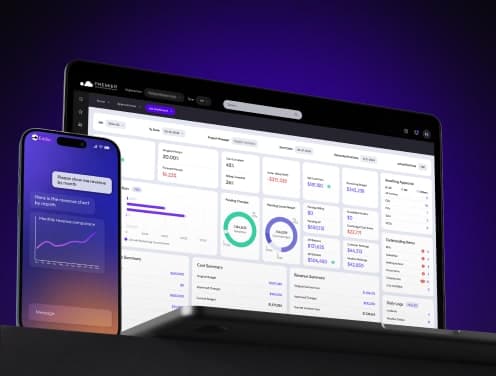
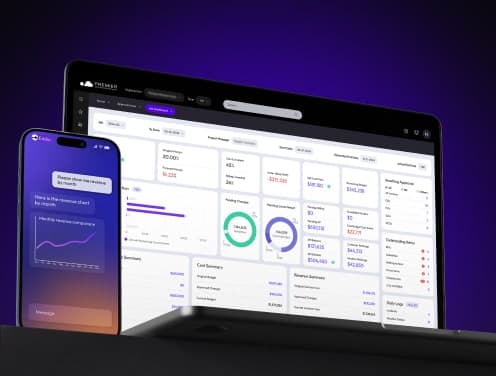
Using construction financial management software
Construction accounting is different from general business accounting in several ways. Project timelines span multiple periods, so cost tracking becomes complex. The process involves managing intricate contracts with many vendors. The industry also has specific regulatory requirements that need attention.
Modern construction-specific financial software gives complete solutions:
- Job costing with real-time budget line up
- Integrated accounting that eliminates double data entry
- Automated compliance for certified payroll reporting
- Change order management and tracking
More than 50,000 construction businesses use specialized construction management software to handle their preconstruction, finance, and operations. These systems are the foundations of operational efficiency. They streamline processes in accounting, project budgeting, and payroll functions.
Forecasting tools and dashboards
Financial dashboards show your project's vital signs instantly. Advanced forecasting tools look at past data and current performance metrics to predict what might happen next.
Modern systems use AI to handle reconciliation processes, predict cash flow, and provide useful financial insights. This capability is vital for multi-site operations. Managing costs for several projects at once needs centralized data analysis.
S-curve modelling shows how costs add up over time. It helps you see when expenses will peak and ensures your budget matches real spending. These tools adjust forecasts automatically when your project moves away from the typical S-curve pattern. Your financial projections reflect these changes right away.
Tracking cost-to-complete and burn rate
Your project's burn rate shows how fast you're using your budget. It's a significant indicator of financial health. The simple calculation works like this:
Burn Rate = Total Budget Spent / Time Elapsed
Let's say you've spent $1 million after six months on a $2 million project. Your monthly burn rate would be $166,667.
Cost-to-complete forecasting shows how much money you'll need to finish the work. It considers actual costs so far and current prices. Department administrators should team up with principal investigators to create spending strategies when projects begin. They should update these plans every three months to account for supply chain issues or staff changes.
Conclusion
Construction finance is a complex world full of potential financial pitfalls. Your project's budget depends on discovering these hidden costs before signing any agreement. This piece explores eight common hidden fees that can substantially affect your project's bottom line.
Clear financial planning starts with complete transparency. Ask for itemized breakdowns instead of accepting bundled fee presentations. Many lenders will adjust or waive certain fees if you have strong credentials, so negotiate terms upfront.
Fixed-rate financing protects you against market fluctuations, especially during long construction periods. The original rates might be slightly higher, but they remove the budget uncertainty that comes with variable rates.
Your contract clauses need close attention. Look specifically for "no damages for delay" provisions and change order procedures that could leave you financially exposed. You should arrange payment schedules with project milestones to keep a healthy cash flow throughout construction.
Cash flow management is the most critical daily challenge. The industry's long payment cycles create gaps where expenses must be covered long before receiving payment. Smart contractors handle this by negotiating frequent progress payments and reduced retainage percentages.
Specialized construction financial management software gives you clear visibility into your project's fiscal health. These tools track burn rates, forecast costs-to-complete, and spot potential problems before they turn into budget disasters.
Note that construction finance doesn't have to be mysterious. You can substantially reduce unexpected fees by understanding the true costs, working with experienced financial managers, and carefully reviewing all documentation. Your project's economic success comes from building quality structures and creating financing arrangements that work for you.
Latest articles



Trusted by global leaders
Join those who have put their trust in us