How to Build an Effective Change Management Strategy in Construction [Step-by-Step Guide]
Last updated: March 2026
A staggering 70% of change programs miss their targets because employees resist change and management fails to provide adequate support.
Many construction professionals have seen change management initiatives derail completely. Project budgets suffer from scope changes while poor communication between stakeholders creates unique challenges during new process or system implementations.
The rewards of successful implementation are impressive. A 2024 IBM report reveals that companies can boost their revenue growth by 22% through effective change management strategies. Teams that use analytical insights and cross-functional collaboration see their success rates climb by 28%.
Construction projects face significant risks since scope changes can destroy budgets, timelines, and relationships with stakeholders. Most organizations - about 73% - are searching for better ways to manage change in 2024.
Budget limits, stakeholder communication gaps, and poor documentation create major obstacles. Contractors who skip prior approvals risk having owners reject their changes outright. This situation often gets pricey and leads to delays.
Here's the bright side - your chances of success improve dramatically with a well-laid-out approach. Change management is a vital component that helps you avoid uncertainty and risk while smoothly incorporating changes into your project workflow.
This piece offers a detailed strategy to manage change in construction projects effectively. Your change initiatives can become as solid as the structures you build.
Step 1: Define the scope of change
Success in change management starts when you get crystal clear about what's actually changing. Construction projects see changes throughout their lifecycle, with scope changes being the most common cause of claims and disputes globally.
Clarify what is changing and why
You need to pinpoint what exactly needs to change and understand the driving forces behind it before jumping to solutions. Changes might stem from design issues, site conditions, or new client instructions. Client's evolving business needs could also trigger project requirement changes.
Changes typically fall into several categories:
- Design modifications or errors in original plans
- Unforeseen site conditions requiring adjustments
- Client-requested modifications to features or materials
- Value engineering opportunities
- Execution variables that affect productivity
When you spot a potential change, pause everything. No work should begin until the change has been formally reviewed and approved. This step prevents work from getting pricey and keeps everyone on the same page. Construction veterans know that small changes can trigger a domino effect across multiple project activities.
Identify affected teams and systems
Changes create ripples throughout your project. Your next step is to map out all teams, systems, and project elements that will feel the effects.
These five project elements need a review:
- Project scope
- Project organization
- Work execution methods
- Control methods
- Contracts and risk allocation
The change's effect on different teams and subcontractors comes next. The plan might need new specialists who weren't part of the original scope. To cite an instance, changes in electrical systems might require additional specialized contractors outside the initial budget.
Note that changes affect upstream and downstream participants differently. An owner might see a painting specification change as minor, while it could mean major cost and schedule adjustments for the painting contractor.
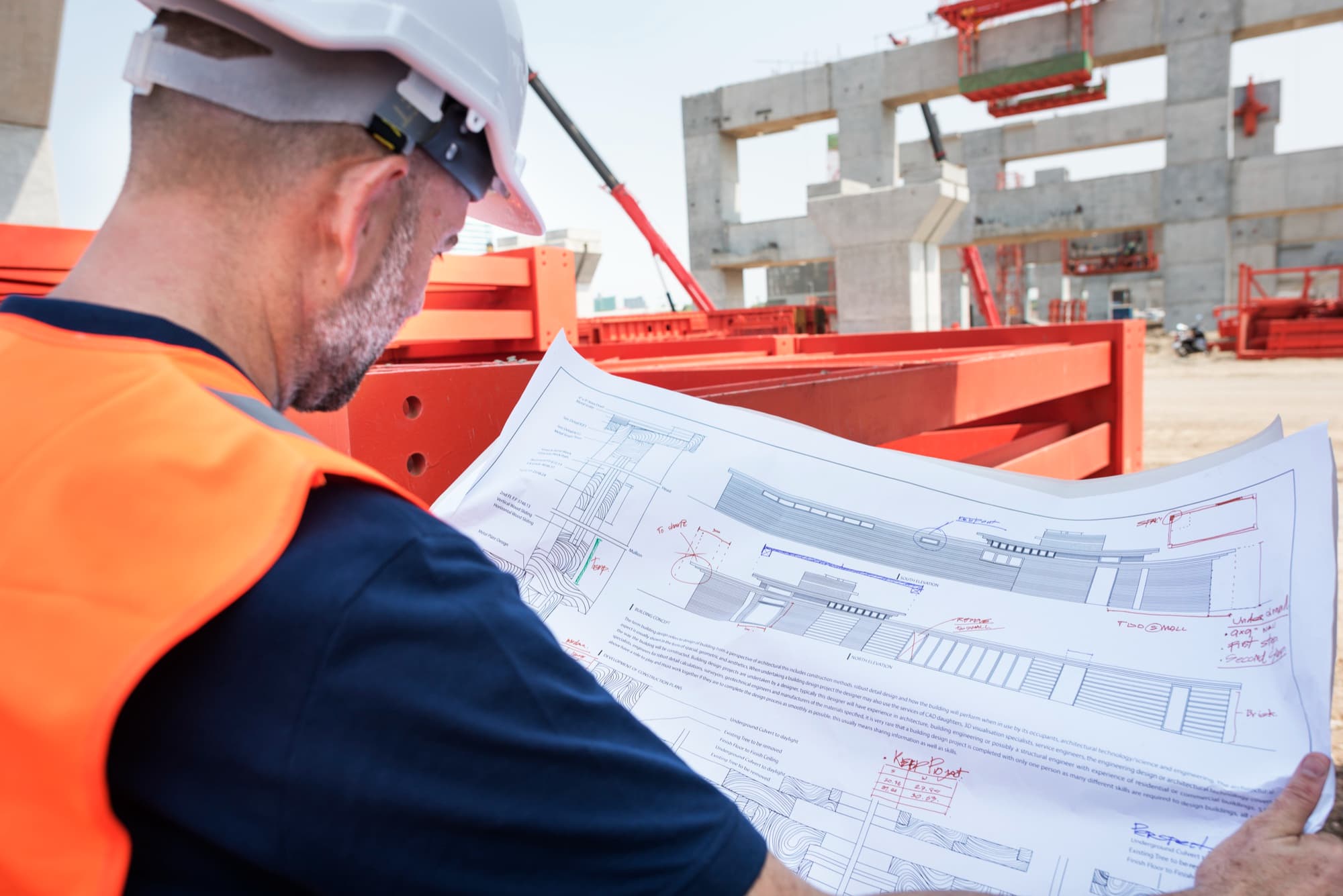
Use a change request form to document
A paper trail creates clarity and protects everyone involved. A standard change request form adds structure to the process and becomes a valuable reference if disagreements pop up later.
Your change request form should include:
- Simple information: Project name, requestor's name, date, and priority level
- Detailed description: Clear explanation of the work changes with all possible details
- Reason for change: Specific conditions that triggered the change
- Impact analysis: The change's effects on scope, risk, cost, quality, and duration
- Schedule implications: Number of days needed and updated completion date
- Financial impact: All costs including overhead, profits, taxes, and insurance
- Contract value updates: Original contract value, past approved changes, current change cost, and new proposed contract value
"The devil is in the detail," as construction professionals often say. Many change management problems come from incomplete documentation or lack of detail about the changes. Write your change request form assuming the reader knows nothing about the project, it might end up with lawyers or people who have limited project knowledge.
A well-defined change scope at the start becomes the foundation for your entire change management strategy.
Step 2: Get stakeholder alignment early
Getting stakeholder buy-in early makes the difference between lasting change and failed initiatives. The Project Management Institute shows that actively engaged executive sponsors are the top factor in project success. Here's how to build this significant alignment.
Involve executive sponsors and team leads
Executive sponsors give your change initiative the authority, resources, and legitimacy it needs. These champions must secure necessary resources, manage critical activities, and deliver results.
Key sponsor responsibilities include:
- Providing clear direction for change initiatives
- Securing resources and budget allocation
- Building management buy-in at all levels
- Resolving conflicts that could impede change
- Reinforcing the purpose and value of the change
Your choice of executive sponsor greatly affects success. Look for someone with enough authority, influence, power, enthusiasm, and time. This person should line up with the change itself and know enough to champion it with other executives.
"The relationship between the sponsor and different entities in the project is a two-way street. It's a win-win situation with better information exchange," notes one industry expert.
Construction projects need what Andy Steele calls "a coalition of influential stakeholders". Middle managers play a key role too. They help first-level managers accept change, who then become sponsors to their teams.
Connect change to business goals
Stakeholders respond best when changes directly link to business outcomes. Rather than focusing on process details, show the effects on revenue, efficiency, or competitive advantage.
"Framing the conversation around value" creates immediate relevance. This approach gives your change initiative strategic weight. This matters because corporate change programs typically have only a 30% success rate, with poor alignment to organizational goals being a main barrier.
Think about these questions when linking change to business goals:
- How does this change help meet project deadlines or financial targets?
- What risks does it alleviate in the construction process?
- How will it improve client satisfaction or team productivity?
- Does it line up with the company's long-term strategy?
Build a shared vision
The era of charismatic leaders simply rallying people around their personal vision is over. Modern transformative leaders create shared visions where followers see themselves in the organization's future.
Leadership experts Kouzes and Posner highlight this change: "Leadership is a dialog, not a monolog". Building a shared vision requires you to:
Start by listening to representatives from all stakeholder groups. This original stage helps move ownership to the people and prepare for questions and challenges ahead.
Next, share the "why" behind the change. People need to understand not just what's changing, but the purpose and risks of not changing. This awareness step (the "A" in the ADKAR change model) creates the foundation for acceptance.
The final step is to promote desire by highlighting the WIIFM, "what's in it for me". Construction teams embrace change more readily when they see their personal benefits. Without this connection, construction professionals often resist change and focus only on potential disruptions.
Graphically aided sessions work well for building shared vision. These visual exercises help people line up on the change path as they participate in creating solutions.
Stakeholder participation helps reduce risks by spotting resistance areas early. People who help shape the change process better understand the shared vision and its effects on them, which increases their commitment.
Step 3: Build a detailed change plan
A well-laid-out change plan acts as a blueprint that ensures successful implementation. Projects become vulnerable to uncontrolled scope expansion without a proper change management process. This vulnerability leads to poor quality, delays, higher costs, and reduced profitability. Your plan should give teams clear direction yet stay flexible enough to handle unexpected challenges.
Set clear goals and KPIs
Teams need measurable objectives to stay accountable and monitor progress. Your change management goals should match your organization's broader strategies to make a real difference. The key performance indicators (KPIs) you pick must directly link to business outcomes.
Construction companies typically track KPIs in these categories:
- Financial targets: Cost variance, gross profit margin, net cash flow
- Safety metrics: Safety incident rate, number of safety meetings, emergency response preparedness
- Quality measures: Number of defects, rework rate, punch list completion rate
- Performance indicators: Percentage of labor downtime, material waste, average revenue per hour worked
Your focus should stay on 8-12 leading and lagging KPIs that show your strategic goals best. As one industry expert notes: "By distilling their focus down to a few key metrics, construction companies can optimize processes and projects to keep their finances on track".
Create a timeline with milestones
Teams understand change better through a clear timeline that shows what to expect. Control points come from milestones that signal phase completion and allow next steps to begin.
Good milestones should:
- Mark visible, verifiable progress
- Support time management, not just reporting
- Connect to commercial outcomes when possible
"Milestones allow teams to measure progress against program targets and respond quickly when timelines shift". You can link key milestones like lock-up, services commissioning, and substantial completion to payment claims or retention release.
Large-scale changes become easier to handle when you split your project into manageable phases, design, permits, construction, inspections, and handoff, with realistic deadlines.
Assign roles and responsibilities
A roles and responsibilities matrix removes confusion by spelling out who handles critical change management tasks. This tool makes each stakeholder's duties clear throughout the change process.
Core roles to define include:
- Change practitioner: Creates strategy and develops role-based activities
- Executive sponsor: Supports the strategy, works with stakeholders, and communicates about the change
- People managers: Give direct support to team members navigating the change
- Project manager: Handles technical aspects while matching them with people needs
"With detailed responsibilities outlined, teams can reduce gaps in executing critical activities that help make change management more effective". Clear role definition promotes accountability and transparency among stakeholders.
Include budget and resource needs
Changes can cause major cost overruns if not controlled properly. Your budget must cover:
- Direct costs of implementation
- Required resources and materials
- Contingency funds for unexpected issues
- Cash flow projections throughout the change period
Phase budgeting helps you make precise estimates as the project progresses. You need a process for change order management that requires documentation, client approval, and budget adjustments before work starts.
"Each change order should be evaluated for its impact on both the project timeline and budget". This assessment step prevents unauthorized or unbudgeted changes from disrupting your project.
Construction change management helps you handle changes properly rather than restrict them. A detailed plan lets your team make changes smoothly while keeping the project on track.
Step 4: Prepare teams with readiness sessions
Readiness assessments are the foundations of successful implementation in construction change management. About 70% of your change management success depends on how well your teams understand and embrace the new processes. Your construction teams will feel more confident and show less resistance when you prepare them through structured readiness sessions before implementation starts.
Explain the difference between old and new processes
Teams need clear communication about process changes to see their transition path. Your readiness sessions should focus on:
- Outlining current workflows compared to future state
- Highlighting specific differences in daily operations
- Demonstrating how new procedures improve efficiency
"Changes should never proceed without express owner approval and the paperwork to back it up," which shows why teams need to know both old and new documentation requirements. You should create comparison charts that show step-by-step differences between current practices and upcoming processes.
Your construction teams might worry about how changes will affect their daily work. You can address this by walking through typical scenarios using both approaches. Field teams learn better through job-site demonstrations where possible, as real examples work better than theory.
On top of that, it helps to use readiness sessions to make protocols clear. "Protocols only work if employees and subcontractors follow them closely," so everyone needs to learn about using forms, notification procedures, follow-up requirements, and expense tracking methods.
Address concerns and gather feedback
Construction professionals don't like change when they can't see its value. Readiness sessions give you a chance to talk about these concerns openly.
You can gather feedback in several ways:
- Group discussions for shared challenges
- One-on-one conversations for personal concerns
- Anonymous surveys for honest input
These sessions help spot potential obstacles before full implementation. As noted in construction readiness research, "by going through logs, office staff can catch and follow up on cost overruns to find their source and bill them accordingly". This shows how getting feedback early can reveal hidden issues.
The core team members can help as early adopters. Their support carries weight with peers and can turn skeptics into supporters.
You should document all feedback carefully and show how it shaped your implementation strategy. This builds trust and shows you value team input.
Identify training needs
Training needs analysis (TNA) helps identify gaps between current skills and those needed for successful change implementation. This step makes sure training resources target real needs instead of assumptions.
You need to check if training is really the answer. "Although training is often considered as the panacea of all ills, it may not in fact be the right answer," since performance gaps might come from equipment issues, resource shortages, or process problems.
After confirming training needs, look at the competence gap by asking:
- What specific competencies does the new process require?
- Where do team members currently stand in those competencies?
- What training will best close those gaps?
Note that formal education gives you only about 30% of career preparation, while specific training and on-the-job experience provide the remaining 70%. So plan for both original training and ongoing support as teams implement changes.
A full picture of team preparation through readiness sessions will give you smoother implementation and higher adoption rates in later stages of your change management strategy.
Step 5: Launch a pilot with early adopters
Pilot projects let you test your change management strategy with minimal risk before full-scale implementation. The best contractors don't rush to implement new processes or technology. They test, assess, and fine-tune everything before rolling out changes to the entire company.
Choose influential team members
The right people can make or break your pilot's success. Look for ambitious high achievers early in their careers who want to make their mark. These team members often become your strongest internal champions.
Here's what to look for in your pilot team:
- People others respect in their departments
- Team members open to new approaches
- Those who give honest feedback
- People connected to multiple teams or disciplines
"If you like the sound of heroes more, I suggest creating buy-in early with your most influential people," notes one industry expert. Getting these key people involved from day one creates a network of supporters who help overcome resistance during wider implementation.
Early adopters give meaningful feedback that can reshape your product or service. Their input often spots critical issues that might stay hidden until full rollout, when fixes can get pricey.
Test communications and workflows
Your pilot should run in a controlled setting where you can manage risks and make quick adjustments. Pick a small project where you can measure impact without high stakes.
Make sure to verify:
- New processes blend with existing systems
- Communication channels work as planned
- Documentation captures all needed information
- Team members know their workflow roles
"Monitor closely: Keep track of how the technology performs and gather feedback. Ensure that the feedback is relayed to your software partner," advises one implementation specialist. This close monitoring helps spot issues quickly for faster solutions.
Collect feedback for improvements
You need a structured approach to gather useful feedback that fits into existing project workflows. Clear metrics and KPIs help measure success objectively.
The best ways to collect feedback include:
- Regular debrief sessions with pilot participants
- Anonymous surveys for honest opinions
- One-on-one interviews to get deep insights
- Analysis of performance metrics
Numbers tell only part of the story, your participants' involvement matters throughout the process. "Give everyone the chance to voice their opinions in team meetings, one-on-one discussions, brainstorming sessions, and anonymous surveys," recommends a change management expert.
After gathering responses, meet with stakeholders to discuss findings and plan next steps. This team approach turns feedback into real improvements.
One construction firm shared that their pilot helped them "to get specific information on what environment is best-suited to its employees, culture, and goals. Getting those answers has made a most important difference".
A successful pilot means you're ready to scale up, but don't just copy the pilot approach. Let teams adapt the plan to their unique workflows. This flexibility recognizes the variety of skills and conditions in large-scale construction operations.
As one expert points out, "These factors make it nowhere near possible to follow a plan that was developed on the smaller scale of a pilot". In spite of that, the insights from your pilot are a great way to get a foundation for successful implementation across your organization.
Step 6: Train and communicate at scale
Your next step after a successful pilot is to spread your change strategy throughout the company. Good communication becomes your best tool as you move beyond early adopters.
Use multiple formats: videos, guides, workshops
Construction teams don't all learn the same way. Office staff might prefer different methods than field workers. Research shows construction projects need varied training approaches.
A mix of formats works best:
- Visual learners: Show new processes through demonstration videos
- Hands-on learners: Run interactive workshops with real-life scenarios
- Reference seekers: Give step-by-step written guides
Construction professionals want practical solutions, not theory. A construction manager said: "I was looking for software that supervisors and PMs in the field would be able to use without being overwhelmed". This shows why training needs to be straightforward and specific to each role.
Send targeted messages using ERP tools
Your ERP system can help you manage change better. Each department faces different changes, so one message won't fit all.
Teams can work together from anywhere with cloud-based platforms, perfect for today's hybrid workplace. This helps keep messages consistent between office and field staff.
Your messages should:
- Target specific concerns for each role and department
- Show how changes affect daily work
- Stay brief and useful
- Use multiple channels to repeat key points
"In today's world, companies need to use all communication modes, often. Remember: Repetition isn't a bad thing, and there's no such thing as over-communication". This matters even more in construction, where teams at different sites need the same information.
Track engagement and adoption
You need more than training completion numbers to see how well teams accept changes. Good measurement looks at both numbers and feedback.
Keep an eye on:
- Time spent learning new systems
- Help requests about new processes
- How often people use new systems
- What people say about the changes
Project managers should gather feedback in ways that fit normal work routines. Quick chats during toolbox talks or short online surveys can tell you a lot without slowing work down.
"Collecting feedback from your team members will give you important insights regarding which aspects of your project run smoothly and which ones could be improved". This helps you adjust your approach as you go.
Documentation serves two purposes: it helps train people and keeps them accountable. "The documentation of processes and activities happening at the construction site also helps to boost effective communication in the construction industry".
Step 7: Monitor progress and adjust
Success or failure depends on how well you track the effectiveness of changes after implementation. You need to monitor whether your changes actually fix problems or if they need adjustments.
Use surveys and feedback loops
Construction leaders must prioritize client satisfaction. Positive reviews and stronger referrals come from happy clients. Each completed project offers valuable learning opportunities through post-construction feedback. This helps build stronger relationships and identifies common handover issues.
These approaches work well to gather feedback:
- Online surveys (fastest and budget-friendly)
- Email surveys (good for detailed responses)
- Phone surveys (valuable for follow-up questions)
"Taking the time to assure client expectations are met and working to resolve any issues will go a long way in generating new business," notes one industry expert. Better results often come from third-party survey services. They let construction companies have enough input while research experts handle the process.
Check adoption metrics and help desk tickets
Data collection alone won't cut it - you need systematic analysis regularly. These key performance indicators help track adoption effectively:
- Speed of adoption: Time your employees need to learn new skills during training and how often they use the system after implementation
- Ultimate utilization: The number of employees using the system compared to total affected employees
- Proficiency: Work performance against KPIs and help desk ticket numbers
Refine training and communication
Teams might see a temporary drop in production as they adjust to new technologies - this happens normally. Stay patient during this adjustment period. Keep your team's confidence high in the solution to help them participate through the change.
Immediate reports help track all activities related to the change. These show whether everything moves according to plan. When patterns emerge, meet with your core team and project teams to find causes and adjust technology usage.
Companies that run regular feedback programs see their Net Promoter Score rise by an average of 17 points. Careful analysis of these trends helps identify recurring issues. You can share findings with project teams and turn client comments into practical process improvements.
Step 8: Reinforce change with recognition
Recognition is the life-blood of successful change adoption in construction. Leaders can affect team acceptance of new processes dramatically through small acts of appreciation.
Celebrate wins and milestones
Morale-boosting events like traditional topping-out ceremonies exceed individual roles in construction. These shared moments showcase the team's commitment that drives projects to their most important milestones.
Here are some moments worth celebrating:
- Contract awards
- Key project phase completions
- Successful implementation of new systems
Teams feel proud and accomplished when these achievements are celebrated. This motivates them to approach remaining phases with fresh energy.
Use gamification to boost morale
Employee behavior can change through gamification without monetary incentives by tapping into cognitive biases. A construction company saw workplace incidents drop by 31% over two years after they gamified safety practices.
The best results come from balancing individual and team-based goals. "It is important for companies to recognize that team-based points and goals are more important than individually based leader boards," says one implementation specialist.
Recognize team contributions
Teams in construction rarely get noticed for good work, attention usually focuses on mistakes. Studies show that appreciated employees deliver beyond expectations consistently.
Ways to recognize teams:
- Letters of appreciation for specific achievements
- Certificates presented during team gatherings
- Small rewards like gift certificates or occasional time off
Keep in mind that appreciation works beyond offices, it lifts spirits at construction sites too.
Conclusion
Construction companies gain a strategic edge when they know how to manage change well. Adaptability often determines success in this field. You now know how to guide construction changes with a system instead of just reacting to them. Each step builds on the one before it. This creates a framework that cuts disruption and boosts adoption.
A solid change management strategy begins with defining scope clearly. It grows stronger when stakeholders arrange their goals together. Your chances of success improve by a lot with a detailed plan and well-prepared teams. It also helps to test changes with key team members who become champions and help others embrace new ways.
Communication stands as the foundation of successful change. Teams learn differently, so training needs various formats. Once changes are in place, keeping track helps you adjust based on ground feedback.
Good change management saves more than just avoiding pricey rework. Teams that handle change well finish projects faster. They build stronger bonds with clients and see better profit margins. Their projects stay on budget because they document and approve changes before work starts.
The impact of recognizing good work shouldn't be overlooked. Teams stay motivated when you celebrate small wins during the change process. Premier Construction Software offers specialized construction ERP tools and construction accounting tools for every stage - from logging change requests to measuring progress and highlighting team achievements.
Change is inevitable in construction projects. Your management approach determines whether it causes chaos or flows smoothly. These eight steps, when used regularly, turn change from a threat into an advantage that boosts your market position.
FAQs
Q1. What are the key steps in building an effective change management strategy for construction projects? An effective change management strategy in construction involves defining the scope of change, aligning stakeholders early, creating a detailed plan, preparing teams through readiness sessions, launching a pilot with early adopters, training at scale, monitoring progress, and reinforcing change through recognition.
Q2. How can construction companies ensure stakeholder buy-in during change initiatives? To ensure stakeholder buy-in, involve executive sponsors and team leads early, connect the change to business goals, and build a shared vision. Use techniques like graphically facilitated sessions to engage stakeholders in co-creating solutions and address their concerns proactively.
Q3. Why is piloting important in construction change management? Piloting allows construction companies to test new processes or technologies in a controlled environment before full-scale implementation. It helps identify potential issues, gather feedback from influential team members, and refine the approach based on real-world application, reducing risks during broader rollout.
Q4. What role does communication play in successful change management for construction projects? Communication is crucial in change management. Use multiple formats (videos, guides, workshops) to accommodate different learning styles, send targeted messages using ERP tools, and maintain consistent communication between office and field personnel. Effective communication helps address concerns, clarify new processes, and drive adoption.
Q5. How can construction companies measure the success of their change management efforts? To measure success, track adoption metrics such as speed of adoption, ultimate utilization, and proficiency. Use surveys and feedback loops to gather insights from team members and clients. Monitor help desk tickets related to new processes and analyze performance against established KPIs to identify areas for improvement and refine the change management approach.
Latest articles



Trusted by global leaders
Join those who have put their trust in us