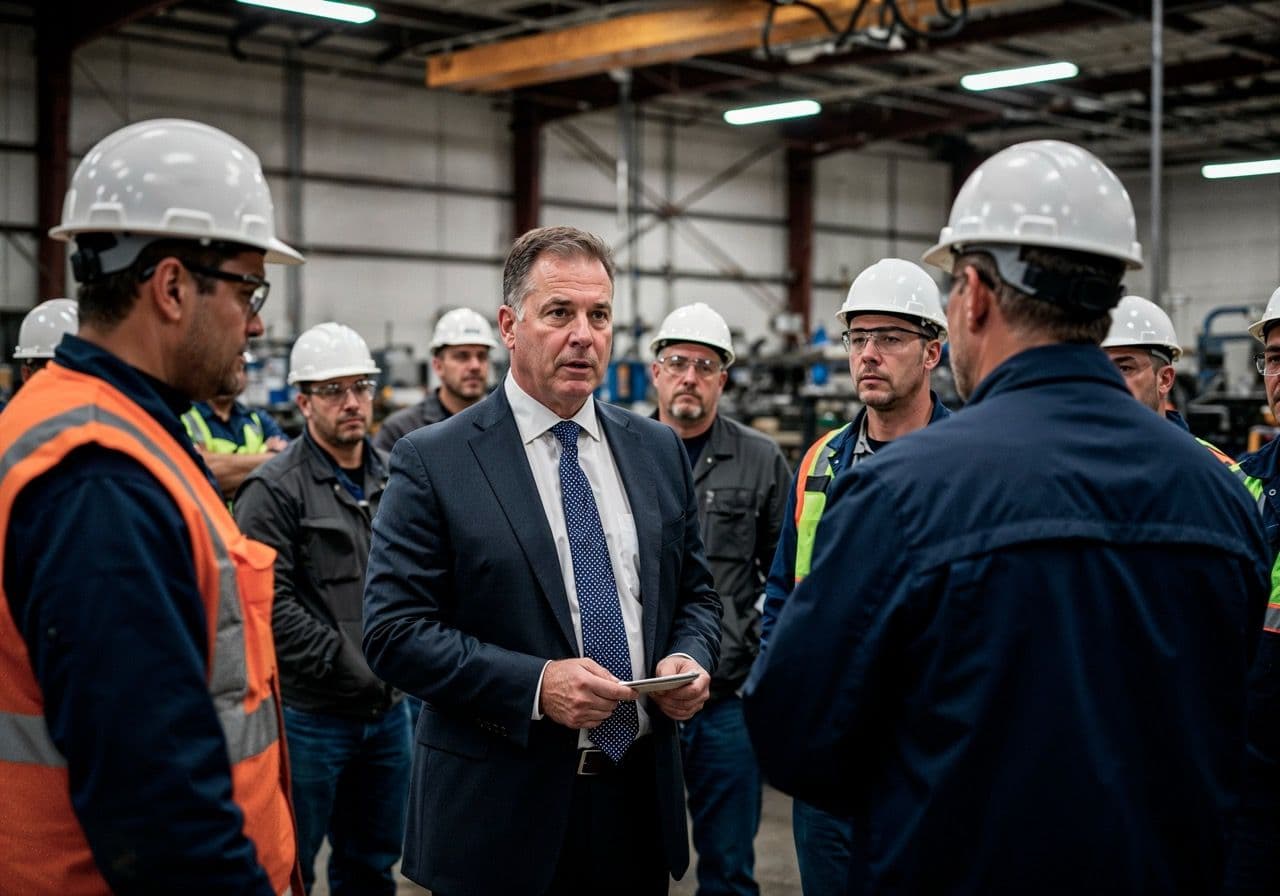
Mobile ERP Features That Construction Managers Can't Ignore
Last updated: March 2026
Mobile ERP features are changing the way construction projects run and operate. About 81% of U.S.-based construction businesses already use ERP software. You might wonder what makes the mobile version crucial for your operations. The numbers tell the story, construction firms see up to 24% improvement in project delivery timelines when they implement ERP systems effectively.
Construction industry just needs quick access to critical information, whatever the location. Your project managers, contractors, and field workers can manage tasks, access documents, and communicate right from their devices with mobile ERP software. The numbers speak for themselves, 91% of organizations look for ERP systems with better integration capabilities. This shows how mobile solutions have become vital. Mobile app features change project management by providing stakeholders access to vital data anytime and anywhere. They also cut costs by stopping expensive errors before they happen. What features should construction managers look for in mobile construction ERP apps as they handle multiple responsibilities? This piece explores the key capabilities you can't afford to miss in your mobile construction management toolbox.
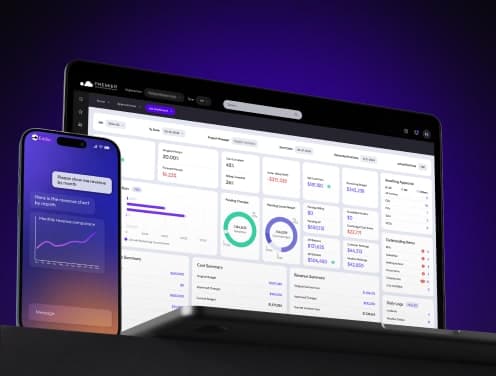
What is Mobile ERP in Construction?
Construction companies no longer face desktop limitations thanks to mobile technology's impact on project management. Mobile ERP in construction lets teams use enterprise resource planning software on smartphones and tablets. Your team can access vital business data anywhere, anytime.
Definition and core purpose
Mobile ERP works as a direct gateway to your construction company's central management system. This technology puts your entire operation in your pocket and connects field workers with office staff on one platform. The main goal? Your team gets immediate data access, efficient workflows, and smooth project progress across locations.
Mobile construction ERP lets your team:
- Access project information instantly from any location
- Capture and submit time entries directly from job sites
- Process approvals and workflows while traveling
- Update material usage and equipment allocation on the spot
- Share documents and cooperate across departments
Field functionality stands at the heart of mobile ERP. Construction engineers spend most of their time on building sites rather than offices. Mobile access helps them handle labor assignments, material needs, and equipment requirements without delays.
How it differs from traditional ERP
Traditional construction ERP systems tie users to office computers and create gaps between field operations and management. These older systems often rely on manual processes, spreadsheets, and scattered communication channels that slow projects down.
Mobile ERP makes your entire operation more accessible. Teams don't wait for managers to return to their desks for approvals. Mobile solutions enable quick action from anywhere. This immediate response cuts down bottlenecks that used to ripple through project timelines.
Data synchronization creates another key difference. Mobile ERP syncs perfectly with your central system, so everyone works with the same information. Field teams can capture time entries, receipts, or daily logs that become available company-wide right away.
Offline functionality makes the biggest difference for construction sites. The best construction mobile ERP apps work without WiFi and sync data once connections return.
Why mobile ERP matters now
Construction projects need quick data access, continuous communication, and fast decisions across job sites. Complex projects can't succeed with outdated information management methods.
Remote work has made this need more urgent. The US alone has 92 million employees working remotely part or full-time, making mobile access a must-have software feature.
Mobile-first solutions have become essential for construction businesses to stay competitive. Companies that quickly adapt to business changes see better financial results, improved efficiency, faster innovation, and happier customers.
Construction managers can see changing project status while handling multiple tasks. Field crews get direct system access, which keeps supervisors and subcontractors in sync throughout the project.
Mobile ERP connects office management with job site realities. It creates a constant flow of information that keeps projects moving forward, even with location or connectivity challenges.
1. Real-Time Data Access
Up-to-the-minute data features serve as the life-blood of effective mobile ERP solutions in construction. Job site conditions change hourly, and quick access to critical information can determine project success or lead to pricey setbacks.
Instant updates from field to office
Mobile ERP systems eliminate the gap between field operations and office management. Site managers use mobile devices to capture and share photos, videos, and notes about ongoing construction activities from the field. This quick transmission creates a steady flow of information between sites and headquarters.
"With multiple teams working on various tasks, any delay or miscommunication can lead to cost overruns and project delays," notes one industry expert. Mobile platforms help crews to:
- Document site issues or daily activities that alert project managers immediately
- Submit digital daily reports with photos and documentation
- Enter purchase orders, change orders, and time entries directly on-site
These features eliminate waiting time for updates to reach decision-makers. A construction manager said it best: "I can now see WIP, committed costs, and actuals in real-time rather than waiting for weekly reports".
Improved decision-making with live data
Live information changes how construction managers handle project challenges. Recent findings show construction companies using mobile ERP solutions face 31% fewer cost overruns and 23% fewer project delays.
This improvement happens because mobile ERP gives you:
- Field insights into equipment usage, labor deployment, and material delivery
- Up-to-the-minute project metrics including budget tracking, schedules, and materials inventory
- Early warning signs for potential issues before they disrupt schedules
Material costs might suddenly spike, and project managers receive instant alerts. This gives them a chance to renegotiate with suppliers or find substitutions before budgets take a hit. Equipment failure could delay a concrete pour, but the system quickly notifies managers who can arrange backup equipment and adjust crew schedules.
"Every update is logged, making it easier to track compliance and prepare reports for regulators," explains a construction technology specialist.
Reduced delays and rework
Mobile ERP's instant updates tackle two of construction's biggest problems: delays and rework.
Mobile solutions do this through:
- Quick-check audit features that spot early warning signs like slowdown trends
- Automatic alerts when projects stray from plans
- Quick feedback loops letting inspectors upload photos and notes directly into management systems
Here's a real-life example: during a major construction project, a manager using live data tracking spotted an upcoming material shortage. The team quickly adjusted worker schedules and shifted tasks to keep productivity high while securing more supplies.
Quality control gets better too. Inspectors upload photos and notes directly, and architects and engineers respond within hours instead of days. This quick response stops faulty work early, saving time and resources.
Construction projects keep getting more complex. These up-to-the-minute features aren't just helpful - they're essential for staying competitive and profitable. An industry analyst summed it up: "In today's fast-evolving project environments, the ability to quickly adapt and make informed decisions based on real-time data is not just a competitive advantage, it's a necessity".
2. Seamless Communication and Collaboration
Your construction project's success depends on how well your teams communicate. Bad communication can get pricey, cause delays, and blow up budgets. Mobile ERP brings field and office teams together through powerful tools that keep everyone working in sync.
Connecting field teams and office staff
Project efficiency has always suffered from the gap between construction sites and main offices. Mobile ERP solutions create a digital workspace where field workers and office staff can access updated information together. Teams coordinate activities better in multiple locations with this single source of truth.
"The future of construction is connected, mobile and seamless," notes one industry analyst. Mobile construction apps work as bridges. Everyone works from the same up-to-date information no matter where they are. Site managers save time because they don't need to go to trailers for information.
Companies that use cloud-based collaboration see a 25% reduction in project costs through better coordination. This happens because mobile ERP:
- Puts all project information in one available platform
- Creates quick communication channels between sites and headquarters
- Helps field teams report issues that office staff can fix within minutes
- Lets managers assign tasks straight to field teams
"When a single, up-to-the-minute data set is shared, teams make faster, more accurate decisions that cut delays and cost overruns," explains one expert.
Using chat, video, and file sharing tools
Modern mobile ERP platforms come with special communication tools built for construction needs. These features make site-to-office communication quick and effective.
Construction-specific messaging apps help conversations link directly to project data and specific tasks. These tools relate every interaction to project details, unlike generic chat tools that keep communications separate.
Video conferencing becomes really useful for remote troubleshooting. A project manager noted, "Mobile apps offer communication features like instant messaging and video calls, along with real-time documentation updates. This keeps everyone on the same page, allowing you to address problems immediately".
Mobile ERP makes document sharing more powerful. Contractors can see changes right away on their mobile devices when architects update designs. Teams no longer face the frustration of working from old plans that used to plague traditional construction processes.
Mobile file access helps daily through:
- Digital approvals where change requests go straight to the right manager
- Real-time notifications that speed up decision-making
- Automated field forms that cut out paper-based delays
- Barcode asset tracking that keeps everyone informed about site resources
Reducing miscommunication
Communication problems between field crews and office teams cost construction companies a lot of money. Mobile ERP tackles this challenge by putting all project-related information in one system.
Old methods create annoying delays. Email chains need hours for responses. Phone calls miss key people. Paper documents become outdated before reaching their destination. Mobile ERP removes these roadblocks through synchronized data environments.
One construction firm's field reporting became twice as fast after they started using mobile documentation tools. Companies using these solutions also see nowhere near as many errors from outdated information.
Mobile ERP platforms create clear audit trails for all communications. This accountability helps catch potential problems early. Teams can manage issues proactively instead of reacting to crises.
Field personnel can document site issues right away with photos and notes. This lets architects and engineers review and respond within hours instead of days. Quick responses stop faulty work from going too far and save both time and money on your projects.
3. Task and Workflow Management
Task management is the foundation of successful construction projects. Construction teams face daily challenges with task assignment, tracking, and accountability. Projects take 20% longer than planned and go over budget by up to 80%. Mobile ERP provides specialized tools that tackle these challenges head-on.
Assigning and tracking tasks on the go
Paper checklists and whiteboards are no longer needed to manage construction tasks. Mobile ERP lets your team create, assign, and track tasks directly from job sites without going back to trailers or offices. This capability is vital since construction projects involve dozens of moving parts daily.
Project managers can now:
- Plan and assign tasks with clear deadlines and responsibilities
- Track progress live as work advances
- Capture on-site updates with photos and documentation
- Oversee activities in multiple sites simultaneously
- Log work hours automatically tied to specific tasks
"Digital task lists can include due dates, attachments and comments, which makes collaboration much easier," notes one construction management expert. This system prevents critical activities from slipping through the cracks.
Task-based mobile ERP helps managers assign work based on worker availability, skills, and current workload. Teams stay productive without constant supervision and scheduling conflicts decrease.
Automated reminders and status updates
Teams miss deadlines without proper reminders. Construction mobile ERP solves this through automated notification systems that keep projects running smoothly.
Automated reminders send timely notifications about upcoming deadlines, tasks, and milestones. Team members receive customized alerts via email, SMS, or push notifications. Research shows this approach reduces missed deadlines and project delays.
The benefits go beyond simple reminders:
"By automating routine tasks such as deadline notifications, status updates, and meeting reminders, construction teams can save time, minimize administrative burden, and focus on more value-added activities," explains an industry analyst.
Stakeholders see tasks move from assigned to in-progress to completed through automatic status updates. Teams save valuable time by eliminating constant check-ins and progress meetings.
Projects can have custom reminder schedules, from single notifications to recurring reminders until task completion. Teams focus on their main work without getting stuck in administrative details.
Improving accountability
Construction projects often suffer from the "blame game." Mobile ERP uses informed accountability through transparent tracking of responsibilities and outcomes.
"When a project runs over budget or behind schedule, the first question often echoes through the office is: 'Whose fault is it?' But the truth is blame hides the problem," notes one construction management source. Mobile task management creates clarity through defined ownership and measurable results.
Performance-Driven Construction Management (PDCM) uses objective data to cut through individual narratives. Mobile ERP creates transparent dashboards where everyone sees live progress toward shared goals.
The technology promotes accountability through:
- Clear, measurable goals that define success for every role
- Shared visibility into task status and deadlines
- Centralized documentation of decisions and changes
- Regular check-ins focused on leading indicators
Leaders can focus on removing roadblocks and supporting progress instead of chasing updates.
"A culture of accountability doesn't just catch mistakes, it learns from them," points out a construction workflow expert. Mobile ERP helps teams identify process breakdowns rather than individual failures.
4. Inventory and Resource Tracking
Construction companies lose money through poor material management. Project delays, unnecessary purchases, and lost equipment become common problems without proper inventory tracking. Mobile ERP revolutionizes material and equipment handling with advanced tracking features that keep projects running smoothly.
Live updates on material usage
Poor material management creates bottlenecks that stop work and increase costs. Mobile ERP solutions give you up-to-the-minute data analysis from warehouses, job sites, and service vehicles. Field teams can record material consumption instantly. These automatic updates flow directly into accounting and job costing systems.
"Know what you have, where it is, and when you'll need more" becomes your new reality. Your teams can do much more with mobile scanning capabilities:
- Scan barcodes to quickly locate materials on-site
- Update stock levels instantly after material use
- Link materials directly to specific tasks or work orders
- Capture photos of materials for verification purposes
Field crews can move materials from inventory into work orders or maintenance requests without delays. This quick documentation shows how teams use resources across projects. A construction firm's field reporting speed doubled after they started using mobile documentation tools for materials.
Preventing shortages and overstock
Your profits suffer from material shortages and excess inventory. Mobile ERP maintains the perfect balance through automated inventory management. The system notifies you instantly when stock runs low, which eliminates rushed emergency orders.
You can watch stock levels across multiple locations at once through real-time dashboards, which prevents stockouts and overpurchasing. Past usage data helps predict material needs accurately, making procurement more strategic.
Mobile ERP makes just-in-time delivery practical. The software matches procurement with project milestones by combining project schedule data with actual material use. This method reduces storage needs and cuts waste from damaged or expired materials.
Almost 90% of customers say ERP systems help them manage inventory data well. The right system changes your material handling from reactive emergency buying to strategic resource management.
Optimizing equipment allocation
Construction equipment needs proper management because it represents huge capital investment. Mobile ERP tracks your equipment's location, usage, and maintenance needs in real time.
GPS and telematics integration helps track equipment use and cut idle time across projects. Teams can see available machines and their locations instantly without calling different sites.
The system creates a proactive maintenance schedule. It monitors usage metrics (miles/hours/days) and alerts maintenance teams about upcoming service. This approach prevents expensive breakdowns and makes equipment last longer.
Mobile ERP also tracks ownership costs throughout an asset's life. You learn about expenses after the initial purchase, which helps make better decisions about equipment rates, fees, and replacement timing.
Mobile apps offer a valuable feature that lets teams manage equipment inventory from the field. Teams can coordinate equipment exchanges without disrupting billing cycles. This approach keeps projects moving forward and eliminates costly downtime during equipment transfers.
5. Offline Functionality
Internet connectivity at construction sites is notoriously unreliable. Dead zones appear everywhere, from basement excavations to rural development projects. Your mobile ERP solution needs offline functionality as a vital feature.
Working without internet access
Construction sites create unique connectivity challenges. Signal blockages occur due to reinforced concrete structures, remote locations, and underground work areas. The best mobile ERP solutions tackle this by storing essential data directly on your devices. Your operations continue smoothly with local storage that creates a "casually connected" state during connectivity gaps.
Quality mobile ERP systems verify data locally against predefined business rules, unlike simple "store and forward" systems. Your field teams can:
- Document safety incidents with photos and detailed notes
- Complete inspections and quality checklists
- Log material usage and equipment hours
- Submit time cards and expense reports
Field engineers benefit greatly by accessing safety protocols and equipment specifications even in signal-dead zones. Quick access to information prevents dangerous delays when time matters most.
Automatic sync when back online
The process works just like WhatsApp messaging, messages typed offline send automatically once connectivity returns. Quality mobile ERP platforms follow this same principle.
Advanced synchronization technology takes over when your device reconnects. Your locally stored information uploads automatically to central servers. This vital yet invisible process maintains data integrity throughout your operation.
The technical process includes:
- Timestamp tracking that prevents duplicate entries
- Conflict resolution algorithms that handle overlapping edits
- Background syncing that doesn't interrupt ongoing work
- Data compression that optimizes bandwidth usage
Synchronization works both ways. Field data flows back to the office while new information from headquarters downloads to field devices simultaneously.
Use cases in remote job sites
Many companies discover connectivity problems only after experiencing them firsthand. Offline functionality proves valuable in numerous construction scenarios.
Field supervisors can document hazards with photos and notes at isolated sites, whatever the signal strength. Oil platform workers can create detailed safety incident records on-site that sync later. Construction teams can access and update critical information even in hospital buildings where WiFi and cellular restrictions exist.
Offline capabilities ensure uninterrupted workflows to maintain compliance and quality assurance. Field teams complete inspection checklists without delays to uphold safety standards. Systems automatically sync everything when teams return to connected areas, creating complete audit trails.
Construction connectivity challenges continue despite technological advances. Strong offline functionality in mobile ERP turns these connectivity gaps from productivity killers into minor inconveniences.
6. Security and Access Control
Security risks grow exponentially as construction data shifts to mobile devices. A 2023 IBM Security report reveals that organizations with mature access management programs face 50% fewer data breaches than those using informal access controls. Your mobile ERP implementation needs thoughtful security measures to protect sensitive project information.
Role-based permissions
Role-Based Access Control (RBAC) are the foundations of mobile ERP security that works. This system matches permissions with job functions instead of individual users. You define a small set of roles like Project Manager, Estimator, and Site Supervisor to manage access rather than deciding permissions individually.
Construction projects benefit from this structure:
- Field crews see daily logs and material requests
- Project managers access schedules and budgets
- Executives view financial dashboards and reports
RBAC resolves two common issues: users with excessive privileges and forgotten one-off permissions that create problems months later. Teams can grow and project phases can change while maintaining security.
Data encryption and secure login
Strong encryption serves as your final defense barrier. Unauthorized parties who gain access will find the data unreadable without the right key. The best mobile ERP solutions encrypt information during both transmission and storage.
Multi-factor authentication (MFA) adds a crucial security layer. MFA blocks 99.9% of automated credential attacks by requiring both something you know and something you have. Administrative accounts and financial approval roles need this protection most.
Construction-specific applications must strike a balance. Field teams need quick access to information without compromising security measures.
Best practices for mobile ERP security
Your mobile ERP implementation needs constant security monitoring:
- Regular access reviews: Quarterly permission audits confirm appropriate access levels
- Immediate offboarding: System access ends when team members leave projects
- Separation of duties: One person cannot both request and approve the same spend
- Employee training: Teams learn about phishing awareness and safe data handling
- Vendor risk assessment: Security practices of ERP providers undergo review before implementation
Security works alongside patch management and network protection. These practices create a solid base for efficient operations and protected data across your construction projects.
7. Integration with Other Tools
Mobile ERP becomes more powerful when it blends with your existing business systems. A stand-alone construction app might solve one problem but creates another: isolated information that nobody can find at the right time.
Connecting with accounting, CRM, and HR systems
Your construction ERP systems tap into their full potential through integration with accounting, customer relationship management (CRM), and human resources (HR) platforms. These connections build a unified ecosystem where data flows automatically between systems.
"44% of transactional data housed in ERP systems are captured from integration or external partners," notes a Gartner report. This data shows nearly half of your critical information flows through these digital bridges.
A properly integrated mobile ERP can:
- Link field time entries directly to payroll processing
- Connect project budgets with accounting software
- Sync customer data between sales and project teams
- Update HR systems when certifications expire
The practical benefits become clear quickly. A project manager submits a material request through the mobile app. The integrated system creates a purchase order automatically, sends it to the supplier, and prepares for invoice matching upon delivery.
Benefits of open API support
Application Programming Interfaces (APIs) work as digital interpreters between different software systems. They build secure channels where information flows automatically and eliminate tedious double-entry work.
Your company should prioritize ERP solutions with open API interfaces. This approach supports:
The connections to specialized construction tools you already use. The flexibility to add new systems as your needs change. Custom data exchanges that match your unique workflows.
APIs make true automation possible by triggering actions between systems. To name just one example, see how marking materials as "needed" in your project management tool can generate purchase orders automatically in your ERP system.
Avoiding data silos
Data silos, isolated pockets of information that don't communicate with each other, can get pricey. They force manual data transfers, introduce errors, and block immediate decision making.
Construction firms use different solutions for each project phase, which creates disconnected information streams. This fragmentation creates frustrating scenarios where field teams can't access office records or accounting misses project changes.
Integrated mobile ERP eliminates these barriers by establishing a central source for all data. This single source of truth gives everyone access to similar, up-to-date information and removes confusion from outdated or conflicting records.
8. Scalability and Customization
Selecting the right mobile ERP means looking beyond today's needs to your construction business's future requirements. Your management tools must evolve as construction projects change in scope and size.
Adapting to project size and complexity
Construction projects can range from small renovations to massive infrastructure developments. A quality ERP system grows with these changing needs and supports multiple projects at once. Modular construction ERP adapts smoothly, unlike fixed systems that fail when scaled:
- Manages increased users and data without performance issues
- Supports expansion to multiple geographical sites
- Handles projects of all types without reconfiguration
"The construction industry needs dynamic solutions to keep up with the complexity of their projects," notes one industry expert. The right mobile platform will prevent you from outgrowing your systems as your business grows.
Custom modules for different teams
Each construction business has its unique way of operating. Leading mobile ERP providers offer systems that match your specific workflows. You can pick exactly what you need through:
- Module-based packages with only the functions you need
- Workflows that adapt to your approval processes
- Interfaces designed for estimators, project managers, and field crews
This approach lets you build functionalities around your requirements instead of following standardized processes. Your superintendents need different tools than your accountants, customization makes this possible.
Future-proofing your ERP investment
Most ERP systems stay in place for decades. Picking one that can evolve becomes essential. Extensible software makes adding new features easier while reducing future upgrade costs. The next generation of mobile ERP will combine smoothly with emerging technologies and provide practical information through advanced analytics.
This forward-thinking approach means your investment will keep delivering value as construction technology advances. The construction industry changes faster every day, your mobile ERP must stay current.
Conclusion
Mobile ERP has evolved from a luxury into a must-have tool for construction businesses aiming to stay competitive. This piece explores eight key features that are a great way to get insights for your construction operations.
Your field teams can now make decisions based on current facts instead of outdated reports, thanks to immediate data access that eliminates delays and mistakes. The tools also provide uninterrupted communication between office and field teams, which helps speed up construction progress.
Clear task management keeps projects on schedule through proper assignments, tracking, and accountability. Resource tracking prevents material shortages and excess stock that eat into profits. Work continues smoothly on job sites with offline features that solve connectivity issues, whatever the internet situation.
Strong security protects sensitive data while making information available to authorized team members. The system connects smoothly with accounting, CRM, and HR platforms to create a unified information ecosystem. Your investment stays protected with expandable and customizable options as your business grows.
Companies using mobile ERP solutions see up to 31% fewer cost overruns and 23% fewer project delays. These numbers show the practical effects of giving critical information to team members at the time and place they need it.
Advanced mobile technology keeps offering new ways to streamline construction processes. Tomorrow's successful construction companies will be those that welcome these tools today. Your mobile ERP strategy could become the edge that makes your business stand out in an increasingly digital industry.
Latest articles



Trusted by global leaders
Join those who have put their trust in us