LinkedIn Insight Tag
Construction ERP Features for Smart Builders
[ Blog ]

8 Must-Have Construction ERP Features for Smart Builders

Construction ERP features have reshaped the project delivery landscape. Companies speed up their schedules by up to 24% after implementation. Most US-based construction businesses (81%) already use some form of ERP software. The question remains - does your system deliver its full potential?

Teams waste valuable hours when they lack a centralized system. They jump between tools, track down subcontractor schedules, and chase payments just to stay on track. Delays, resource conflicts, and communication gaps become the norm. This explains why 70% of decision-makers consider ERP modernization their top business priority.

Your construction company's choice of ERP system could make or break your success. The best construction ERP features combine your financial and operational data. This allows you to monitor budgets with immediate updates. These features help you succeed - from Bill of Quantities management to precise estimation.

Competent builders need eight essential features in their construction ERP toolkit. Let's explore them.

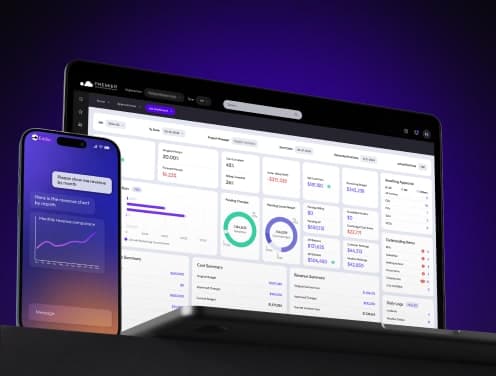
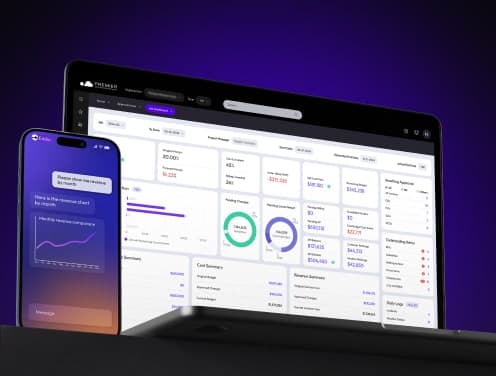
Premier desktop and mobile apps

Discover why contractors worldwide are switching to Premier.


Construction-Specific Functionality

Generic ERP systems don't work well on construction sites. Construction companies waste 35% of their resources due to poor project management and disconnected systems. A construction site isn't an assembly line - it's a living ecosystem that needs specialized tools to handle its unique challenges.

Why construction-focused ERP matters

Construction projects have many moving parts - from managing multiple subcontractors to tracking complex project costs at different sites. Regular business software can't handle these specific industry needs.

Construction-specific solutions tackle the exact problems builders face every day, unlike standard ERP platforms. These systems serve as a central hub for all project data, with updates occurring in real time. The moment an estimator changes a budget or a site manager logs a materials delivery, everyone who needs this information can see it.

Construction ERP's real value comes from eliminating data silos. Critical information gets scattered across spreadsheets, applications, and paper documents without an integrated system. A construction-focused ERP provides a single source of truth, reducing data-entry errors and duplicate work.

Estimators can use actual costs from similar completed jobs in the new project bid, rather than relying on outdated numbers. Better data quality often determines whether you win profitable work or take on projects that hurt your bottom line.

Key modules tailored for construction

Construction ERP has specialized components that combine smoothly to optimize construction processes:

  • Project Management - The core component that lets managers plan, schedule, and monitor everything in construction projects. This module shows project performance through timelines, task assignments, and progress tracking.
  • Financial Management - Helps track expenses, manage invoices, and handle complex construction accounting operations. It clearly shows project costs, cash flow, and budgeting.
  • Procurement and Supply Chain - Makes purchasing easier by automating purchase orders, tracking inventory, and managing supplier relationships to avoid stockouts and project delays.
  • Human Resources - Makes workforce planning easier with payroll, attendance tracking, and skill management tools. This helps put the right people on the right projects.
  • Equipment Tracking - Tracks location, status, and maintenance schedules for machinery to reduce downtime and extend equipment life.

Modern construction ERP also has sections for document management, compliance tracking, and mobile access that link field teams with office operations.

Effect on project delivery and cost control

Construction ERP provides a clear view of every aspect of your project. Real-time dashboards let you compare budgeted versus actual costs, spot problems early, and take quick action. This eliminates guesswork by showing exactly where funds go.

The system links every purchase order, invoice, and labor cost to project budgets so that you can spot overruns and underspends immediately. Project managers can move resources or change schedules instantly - no more surprises at month-end, just real-time financial clarity.

The system's forecasting capabilities might be its biggest strength. Construction ERP accurately predicts future costs by analyzing historical data and current spending. This insight leads to more intelligent decisions about procurement, staffing, and contingency planning before issues grow.

Construction-specific ERP automates expense tracking for supplier payments, subcontractor fees, and equipment rentals. Users receive alerts when spending exceeds set limits, enabling teams to address budget issues early.

The system bridges gaps between departments. Finance teams track procurement orders, site managers review delivery schedules, and procurement teams understand budget limits. This teamwork reduces delays, duplication, and costly errors.

Real-Time Project Visibility

Weekly reports are no longer needed to understand project status. Real-time project visibility is the lifeblood of modern construction ERP systems. You get immediate insights into every aspect of your operations.

Benefits of real-time dashboards

Real-time dashboards turn scattered data from emails, spreadsheets, and handwritten notes into a centralized, living snapshot of project health. Construction companies have reported a 30% improvement in project completion times. They also achieved a 25% reduction in unexpected costs through real-time data analytics.

These powerful platforms act as command centers that turn chaotic information flows into structured, applicable information. Data no longer needs manual transfer between departments. This eliminates errors and delays that plague disconnected systems.

Data becomes truly valuable when properly prioritized. Dashboards show what's overdue, at risk, and needs immediate attention. Critical information appears in a typical dashboard:

  • Open RFIs and submittals
  • Safety observations or incidents
  • Crew hours and labor costs
  • Daily logs and work progress
  • Committed cost vs. cost to complete

Teams managing thousands of moving parts across multiple projects need a single source of truth. Standardized dashboards make it easier to track labor productivity, safety trends, and subcontractor performance across your entire portfolio.

How it improves decision-making

Most productivity issues used to surface during weekly or monthly cost meetings - often too late to prevent damage. Changes appear the moment they occur. Teams can catch errors, identify trends, and fix delays before they become significant problems.

Real-time insights help project managers make quick, informed decisions that prevent delays, reduce errors, and keep projects on schedule. Projects using real-time tools show a 61% improvement in schedule adherence. This represents a fundamental change from reactive to proactive management.

Real-time systems significantly improve forecasting accuracy. Statistical analyses confirm that they outperform traditional approaches by reducing data-collection and decision-making delays. Teams can implement preventive strategies before issues grow.

The benefits extend beyond solving immediate problems. Teams can spot emerging patterns, such as recurring submittal delays from specific vendors. These insights help strengthen future contract language.

Examples of use in field operations

Real-time visibility creates clear advantages in field operations. A legacy general contractor used real-time dashboards to keep owners informed and help project teams anticipate risks to schedule and budget. The company's Director of Project Solutions described it as "on-demand data and real-time reporting" that creates feedback loops between project managers and business unit leaders.

Field teams work better with mobile accessibility. Their mobile devices allow them to:

  • Update progress in seconds without extra trips
  • Tag and organize site photos of completed work automatically
  • Access plans, documentation, and reports anywhere
  • Assign, monitor, and verify task completion remotely

Mobile technology connects office and field teams seamlessly. Supervisors update progress from their devices while IoT sensors track equipment usage. As a result, projects finish up to three weeks ahead of schedule.

Leaders who use real-time data see a 14% improvement in labor productivity and a 5% reduction in rework costs. Cloud ERP provides field supervisors with immediate access to data. It enables shared work between office and site personnel, and helps multi-site firms coordinate across locations.

Real-time project visibility does more than show yesterday's events - it provides insights that shape tomorrow's outcomes.

Integrated Financial and Job Costing

Projects can sink quickly when funds slip through the cracks. Construction ERP systems with shared financial and job-costing features are the foundation of profitable operations. These systems connect your accounting team with field crews.

Linking accounting with job costing

Job costing adds essential depth to standard construction accounting. Your project managers can focus on profit and loss for specific jobs while staying connected to your general ledger. This two-layer view shows both the big picture and the granular financial details.

Time tracking, payroll, and accounting flow together in a single, automated process that reduces data-entry errors. Companies that use shared job costing systems shachieve5-25% better margin control compared to manual methods.

The magic happens when your systems communicate automatically. A field supervisor logs labor hours using a task code, and the data flows directly into payroll processing and job cost reports. Material purchases, equipment costs, and subcontractor invoices map directly to project accounts.

"With job costing, you can quickly identify extra expenses that bite into your profit because there's an up-to-date audit trail of all receipts, income, and expenditures on any specific job," notes one industry expert.

Avoiding budget overruns

Committed costs can slip through the cracks in disconnected systems. Construction ERP tracks these obligations and subtracts them from your budget. This gives you a clear view of remaining funds.

Live updates reshape how you handle project finances:

  • Early warning system - You see each project's financial status daily, not just at month-end
  • Proactive intervention - You can adjust resources or renegotiate change orders before minor issues become costly
  • Automated expense tracking - Users get alerts when spending exceeds set limits

Job costing software automatically subtracts expenses and committed costs from your budget. This prevents teams from overspending and pushing projects into deficit.

"Shared job costing lets managers pull key cost reports. These reports help with long-term budget planning and business productivity reviews," explains another construction financial expert.

Tracking actuals vs. estimates

The ability to compare actual expenses against estimates in real time is a valuable ERP feature. This helps you track financial progress, not just physical completion.

Job costing shows contractors their profit by matching costs against revenue and budget. Clear visibility into remaining budget throughout the project helps with smart resource allocation.

Cloud-based ERP solutions enable you to analyze project performance over time to identify patterns in estimation accuracy. Your ERP can help build better buffers into future bids if labor costs spike during certain phases.

Comparing actual and estimated costs yields the Cost Variance (CV) and the Cost Performance Index (CPI). These metrics show whether you're over or under budget and how effectively you're using resources.

Modern ERP platforms include detailed cost reports that display remaining budgets and project status. This visibility improves current project forecasts and future bid accuracy through historical analysis.

These informed insights eliminate guesswork about project profitability. You'll know exactly where, when, and how your projects make money.

Mobile Accessibility for Field Teams

Construction field teams struggle daily with information gaps. Companies using mobile ERP solutions report 40% faster payment cycles and 70% fewer manual errors. Connecting field workers to your central system has become crucial.

Why mobile ERP access is essential

Construction ERP shows its true worth once it moves beyond office walls: mobile access bridges site activities and back-office operations. Field teams and office staff can access identical information immediately. This saves time and money through improved synchronization.

Field supervisors can document site conditions on the spot and feed accurate data into your ERP system. This removes the information delays common in projects that rely on paper forms or end-of-day reports. Everyone stays up to date, and projects move forward without communication issues.

Additionally, it changes how teams manage resources. Project managers track materials, equipment, and labor more accurately. This clear view helps avoid delays from resource shortages and keeps projects running smoothly.

Use cases: timecards, RFIs, approvals

Mobile ERP applications excel in field operations through several key uses:

  • Time tracking and payroll: Workers clock in/out from their smartphones, while supervisors can track labor costs and attendance in real time. Some platforms let supervisors clock entire crews at once, saving valuable time throughout the project.
  • RFI management: Teams create and handle Requests for Information right from the jobsite. They post questions about specific areas in 2D documents or 3D models. Photos attached to relevant plan sections provide context for quick solutions.
  • Approval workflows: Teams review and approve subcontractor payment applications without returning to the office. This reduces reliance on email chains and back-office systems while improving transparency into cost commitments.
  • Photo documentation: Workers capture photos of current conditions, progress, and issues through mobile ERP software. Geo-tagging links these images to exact project locations, creating clear visual evidence.

Project managers can instantly share daily logs, including weather information and productivity data. This gives stakeholders an up-to-the-minute view of site conditions.

Offline capabilities and device support

Construction projects often happen in areas with poor connectivity. Good mobile ERP solutions must work even without internet access.

Top construction ERP platforms store data locally on devices. Everything syncs automatically once the connection returns. Field operations continue without disruption, even on remote sites with weak cellular coverage.

Field engineers log measurements, track inventory, and submit reports while offline. The system automatically syncs everything back to the central servers once connectivity improves.

Job sites present harsh physical conditions. Mobile ERP should work on smartphones, tablets, and laptops. The best solutions provide a consistent experience across devices.

Accessible interfaces designed for field conditions make a big difference. Mobile ERP interfaces should enable quick data entry in bright sunlight or dusty conditions. Simple field operation leads to higher adoption rates.

Scalability and Flexibility

Your ERP system needs to grow with your construction business. Companies that want steady growth need technology that matches their goals. Research shows construction companies waste 35% of their resources due to poor project management and disconnected systems.

Handling multi-project and multi-entity growth

Growing construction businesses face increasing complexity. A sound ERP system should support operations in different projects, divisions, and countries without needing separate setups.

Cloud-based construction ERP modules let teams run projects from anywhere while keeping data secure and consistent. This approach works great when you open new offices or buy companies. Teams can bring new entities online fast without spending much on IT infrastructure.

The best platforms automatically handle financial reporting and consolidation between business units. Your team saves countless hours that they would spend combining spreadsheets from different divisions.

Multi-currency features are vital for companies moving into new markets. Teams can track projects in local currencies and still create unified financial reports. Your accounting team won't have to deal with manual currency conversions and reconciliation.

Custom modules and user roles

No two construction firms run the same way. Your ERP solution should fit your workflow. The best systems come with modules you can add when needed.

Modern construction ERP platforms offer:

  • Project scheduling modules to manage timelines
  • Document control systems to handle drawings and submittals
  • Resource allocation tools to track equipment and labor
  • Financial control features for budgeting and forecasting

Role-based access is another key customization feature. Administrators can give team members the exact tools they need for their jobs. To name just one example, field supervisors might need material tracking and timecard approval tools, while estimators need cost history and takeoff capabilities.

Custom dashboards show relevant KPIs for each role without overwhelming users. Users focus on information that matters to their work, which improves adoption rates and data quality.

Future-proofing your ERP investment

Success depends on an ERP system that grows with your business and industry. 91% of organizations want better ways to integrate their ERP systems to exploit robust capabilities and streamline processes.

A future-ready ERP system should deliver improvements through regular updates. This approach eliminates the "rip-and-replace" cycle that made older construction software get pricey. Your investment stays valuable instead of becoming outdated.

AI integration is another reason to choose carefully. Modern ERP systems use artificial intelligence to analyze costs, spot problems, and predict schedule delays. These features turn raw data into practical insights for better decisions.

The best platforms offer open APIs (Application Programming Interfaces) that merge with specialized tools. You can connect with BIM software, scheduling tools, or custom applications. This flexibility helps especially when you have future technologies that haven't emerged yet.

Seamless Integration with Other Tools

Construction tools work best together. Your central system needs strong ERP features that connect with your team's specialized tools. Project information gets trapped in separate software systems if these connections fail.

Importance of open APIs

Application Programming Interfaces (APIs) act as digital bridges between construction ERP and external applications. These connectors let data flow between systems without manual entry and work as digital middlemen between your ERP and third parties.

Your construction business transforms through APIs that:

  • Pull data from your ERP into visualization tools to improve reporting
  • Update inventory automatically when suppliers process orders
  • Sync project schedules with field team calendars

The best construction ERP features help you build custom applications. You can extractvaluablel insights through flexible APIs that adapt to your specific workflows.

Reducing data silos

Data silos create the most problems during construction. Project teams often work in isolation to complete assigned tasks without thinking about the effects on other teams. This creates gaps in data collection and sharing.

A unified ERP solution provides one source for all information from day one and helps build a cohesive record system. Teams work better with fewer mistakes.

"By bringing people together into the same system – or by tightly integrating enterprise systems together – organizations can create a truly collaborative environment that elevates project transparency and minimizes errors and gaps.

Automated Compliance and Reporting

Construction companies face compliance challenges everywhere they turn. Teams waste precious hours preparing documentation for regulations, safety standards, and financial audits when they could focus on the actual building.

Meeting regulatory requirements

Construction ERP systems tackle compliance directly with specialized tools that track regulatory requirements automatically. These platforms monitor everything from OSHA certifications to state-specific building codes and create solid foundations for legal compliance. The best systems create simplified processes for compliance tasks and send alerts when certifications expire or new regulations take effect.

Teams can set up their ERP to match specific regulatory frameworks. The system proves that all work to be done is completed before projects move forward. This preventive approach stops compliance problems before they start and protects you from potential fines and delays.

Audit trails and digital logs

Digital audit trails protect your compliance status. The ERP system timestamps and links each action, approval, change, or submission of specific users. This documentation creates clear evidence that your project followed correct protocols.

A correctly implemented ERP delivers:

  • Centralized storage for safety logs, weather records, and incident reports
  • Time-stamped documentation of all site activities
  • User-level tracking for every data modification

These digital records are a great way to get through inspections or disputes. They give immediate access to compliance history without desperate searches through filing cabinets.

Reducing manual paperwork

Paper has traditionally overwhelmed the construction industry; companies often keep documents for over 10 years. Digital transformation through ERP cuts this burden while improving record quality.

Modern ERP solutions replace manual processes with automated data collection. Field teams input information once through mobile devices that automatically generate compliant documentation. This digital approach speeds up reporting and cuts down errors from manual entry significantly. Competent builders now automate daily logs, safety observations, and quality inspections. This turns compliance from a time-consuming task into a natural part of regular work.

User-Friendly Interface and Workflow Automation

Your construction ERP's success depends on your team's ability to use it. Accessible interfaces reshape complex systems into tools that your staff wants to use.

Role-based access and task automation

Role-based security controls data access based on your organization's staff responsibilities. Your project managers, accountants, field supervisors, and executives need systems that provide specific tools for their jobs. This approach protects sensitive information while keeping it available to authorized personnel. Your data stays secure when you implement role-based security in ERP systems, which reduces unauthorized access risks.

Task automation makes construction operations efficient. Your business saves time, money, and labor by automating repetitive processes, which also reduces errors. Efficient workflows enhance communication, boost project visibility, and cut down document review and approval time.

Reducing training time

Confident employees emerge from good training programs. They understand their new system's benefits and embrace it willingly. Each role needs customized training since administrators and project managers use ERP differently.

Boosting adoption rates

Your team's adoption rates improve with accessible interfaces designed for field conditions. Systems that work well in dusty, bright job-site environments see higher team adoption. Cloud-based solutions provide secure access from anywhere and eliminate the need to manage on-premise servers.

Conclusion

The proper construction ERP system gives you a potent edge in today's competitive market. This piece explores eight essential features that change how construction companies plan, execute, and deliver projects. These capabilities create a unified platform that eliminates the scattered approach common in traditional construction management.

Up-to-the-minute project visibility combined with construction-specific tools gives your team everything they need to succeed. Your team can make quick adjustments before minor problems get pricey, instead of waiting for weekly reports. On top of that, integrated financial and job costing features link your accounting department with field operations. This gives you clear visibility into every dollar spent.

Mobile access is a game-changer for field teams. Supervisors and workers can document site conditions, submit timecards, manage RFIs, and approve workflows from their devices - even offline. This speeds up communication and cuts down errors from manual data entry.

Your ERP system's ability to grow matters as much as its current features. Look for platforms that expand with your business and handle projects of all sizes without needing complete system updates. Open APIs let you combine smoothly with specialized tools like BIM software, CRM platforms, and accounting systems. This creates a connected ecosystem rather than separate data silos.

Automated compliance features save countless hours of paperwork while improving documentation quality. Digital audit trails offer solid evidence that your projects followed proper protocols, which proves invaluable during inspections or disputes.

User-friendly interfaces determine whether your team accepts or fights the new system. Role-based access and simple designs cut down training time and boost adoption rates across your organization.

Competent builders know that construction ERP is more than just software - it's the foundation of efficient, profitable operations. A complete system needs upfront investment, but the long-term benefits are nowhere near the costs. Companies using modern construction ERP finish projects faster, control budgets better, and keep clients happier.

The construction industry keeps changing as new technologies emerge. Your ERP system should adapt to support whatever innovations appear next. Take time to evaluate your current processes and identify which of these eight critical features would help your construction business most. The proper construction project management solution brings order to chaos and gives you the competitive advantage needed in today's construction world.

Latest articles

[ Join our Premier Community ]

Trusted by global leaders

Join those who have put their trust in us

Broccolini LogoBurkentine LogoCenturion American LogoFortis Group LogoGuardian Construction LogoPariseault Builders LogoPevco LogoSampson Construction LogoBoydhomes LogoBroadway Builders LogoFieldgate Construction LogoHigley LogoLGE Designbuild LogoOne70 Group LogoOvation LogoPyramid Builders LogoSordoni LogoSrc Constructions LogoStreamline LogoSummit LogoVPAC Construction Group Logo