Construction Project Risks: Expert Guide to Proven Mitigation Strategies
Last updated: March 2026
Construction project risks and how to handle them matter to everyone in the building industry. Risks touch every part of construction. You'll face unexpected challenges, regardless of your project's size or complexity. No project can altogether avoid risks; unexpected delays, material shortages, or supply chain problems can always arise.
Project managers face a range of hurdles. Budget overruns and compliance problems top the list. These risks can tank your project's success and hurt your profits if left unchecked. Each construction project brings its own mix of challenges and roadblocks. Intelligent project management means staying on top of these risks and getting ready for surprises. Your project outcomes and bottom line will improve substantially once you understand common construction risks and implement proven safety measures.
This piece outlines the most significant construction project risks and practical ways to address them. You'll spot potential problems early, create solid risk management plans, and keep projects moving forward despite the inevitable bumps along the way.
Understanding Risk in Construction Projects
Construction risk extends well beyond the reach and influence of job-site hazards. Any exposure to possible loss represents risk, a measurable part of uncertainty that can derail project timelines, inflate budgets, or create safety hazards. Your project's success depends on understanding these risks.
What qualifies as a construction risk?
Events or conditions that threaten your project objectives qualify as construction risks. Each project presents a unique set of variables, making risk management exceptionally challenging. Construction risks appear in many forms, ranging from financial pitfalls to environmental hazards.
Financial risks pose one of the biggest threats to project viability. Cost overruns, budget miscalculations, payment delays, and fluctuating material prices fall into this category. Budget problems often stem from unchecked risks in other areas, and this is a significant concern because the entire project could be in jeopardy.
Design flaws, equipment failures, and documentation errors make up technical and operational risks. These problems typically start with planning oversights but show up during execution. Labor shortages and skill gaps create workforce risks that can halt progress at crucial moments.
Environmental risks require careful planning, even when they are beyond your control. This category includes weather disruptions, natural disasters, and unexpected site conditions. Legal risks include contract disputes, regulatory compliance issues, and potential litigation. The average cost of construction litigation in North America tops $40 million per case.
Safety risks need your full attention. The numbers tell a concerning story: over the past two years, nearly 18% of construction workers worldwide experienced workplace harm, yet only 40% received proper safety training. This gap shows what happens when risk management falls short.
Why risk management in construction projects matters
Risk management provides a well-defined approach to managing uncertainty. You can reduce unpredictability through detailed planning. Minor issues can quickly become project-threatening problems without proper risk management.
Good risk management strategies offer real benefits. They help you review project viability before breaking ground. You can decide if potential profits justify the risks involved. The approach also helps minimize losses throughout the project lifecycle.
Your company's reputation and credibility stay protected with a solid risk management plan. Failed construction projects don't just cost money; they also damage relationships with clients, partners, and the public. Insurance premiums stay reasonable when you show consistent risk control.
Risk allocation plays a crucial role. The best strategies assign specific risks to parties that can review, control, and manage them most effectively. This creates a "win-win" situation for everyone involved and reduces conflicts and disputes.
Intelligent risk management eliminates the need for excessive contingency planning in project bids. Contractors often add big buffers to their bids without clearly identified risks, which increases costs for everyone. You get more accurate estimates and more competitive pricing by correctly identifying and calculating risks.
Risk management forms the foundation of project management for construction professionals. Industry experts say it best: "Project management is risk management and risk management is project management." This viewpoint shows that successful construction project management requires a comprehensive understanding of the project's inherent risks.
When Risks Arise: Project Phases and Vulnerabilities
Construction projects progress through phases, and each phase presents its own set of risks that require special care. You can prepare more effectively by identifying where and when risks arise throughout your project lifecycle, rather than rushing to fix problems after they occur.
Pre-construction phase risks
The pre-construction phase doesn't involve actual construction, but the choices made here significantly affect the success of your entire project. Minor oversights during planning can snowball into huge problems later.
Money risks are the most pressing concerns before breaking ground. Project managers should plan for cost overruns, surprise expenses, and budget issues well before construction starts. Consider this sobering fact: 98% of megaprojects are delayed or over budget. This shows the significant financial pressure that builds from pre-construction.
Pre-construction operational risks focus on resource planning, scheduling, and team coordination. This isn't just about getting materials - you need to sync every moving part and set realistic deadlines. Project delays become almost certain when resources are tight or schedules are too ambitious.
Legal risks require attention during pre-construction as well. Everything from building codes to environmental regulations and community impacts must be reviewed. Following rules isn't optional; it determines whether your project can start.
Poor pre-construction risk management leads to:
- Wrong or incomplete cost estimates
- Unrealistic schedules without wiggle room
- Design problems that cost more to fix later
- Missing permits or approvals
Construction and settlement phase risks
The risk picture changes completely once building starts. Risks become more apparent during construction and settlement because they are directly tied to the building work.
Safety risks are the top concern during active construction. Falls, electrical hazards, equipment failures, and site-specific hazards can occur. Beyond harming people, accidents can disrupt work and reduce productivity when workers lose motivation.
Supply chain problems have worsened recently. Lead times for basic items such as electrical switchgear can take up to 60 weeks. A late steel delivery doesn't just delay steel work - it pushes back masonry, MEP rough-ins, and almost every other trade.
Weather and environmental conditions pose constant risks during construction. Early structures remain open to the weather, so these delays can significantly disrupt your timeline. You can reduce weather risks by adding extra days based on local weather history.
Worker shortages are worsening as construction progresses. Finding good, dependable workers is hard in any field, but construction faces special challenges. Projects slow down, and profits shrink when contractors run short of workers. Financial pressure often peaks during the mid- and late stages of construction. Held-back payments, along with long delays in progress payments, can strain construction companies. This cash squeeze worsens with rising material costs and design updates.
Communication issues regarding finishes and changes in scope often cause significant delays as construction wraps up. Even in the final stages, funding shortages and bankruptcy risks remain as risky as in earlier phases.
Thoughtful planning starts with spotting these phase-specific weak points so you can put the proper safeguards in place at the right time.
Project Planning and Management Risks
Project planning forms the foundation of successful construction management. The best-designed structures can fail when planning and management fall short. Research shows that construction projects faced delays of more than 46 days on average in 2022, indicating these problems are systemic.
Delays and scheduling issues
Scheduling problems can destroy project profitability. Missed deadlines lead to rising costs, idle teams, and damaged client relationships. Projects often run into trouble because of unrealistic schedules that don't account for inevitable disruptions or the step-by-step nature of construction work.
Scheduling problems typically arise from:
- Unrealistic timelines without buffer periods
- Resources that don't line up or are poorly allocated
- Overestimation of available resources
- Lack of risk assessment
A construction expert notes, "Every delay, no matter how small, adds pressure to time, money, and people. Solving them early is the only way to keep projects under control." Projects can spiral out of control without a well-laid-out approach, and teams struggle to pinpoint the root causes.
Inadequate planning and scope creep
Poor planning creates the perfect storm for scope creep, when project requirements expand beyond the original agreement. This expansion occurs without additional time, labor, or budget, making project execution difficult and stretching resources thin.
Scope creep starts subtly. Small changes add up over time. When a county sheriff leads a jail project without input from jail administrators who know the day-to-day operations, expensive layout changes later become necessary.
Small changes can pack a big punch: adding upper cabinets when the plan only included lower ones could cost tens of thousands more, about 45% of construction workers spend additional time on unplanned tasks, such as correcting errors and resolving disputes.
Miscommunication between teams
Communication breakdowns cause project failure one-third of the time. The numbers tell the story: projects with poor communication see only 37% finished on time, 48% within budget, and 52% meeting goals. Projects with strong communication deliver better results: 71% finish on time, 76% stay within budget, and 80% hit their targets.
Communication problems manifest as delayed information, messages sent to the wrong people, and unclear instructions that lead to mistakes. These issues waste time, money, ey and increase safety risks. Miscommunication leads to:
- Confused and duplicate work
- Unclear responsibilities
- Delays and lost client trust
- Team conflicts
Projects rarely stay on schedule or within budget without clear communication channels.
Poor change management processes
Construction change management needs a structured approach to handle work scope adjustments during capital projects. Contractors often complete change-order work without proper approval when robust protocols are missing, creating financial risk.
A successful change management system needs these key steps:
- Preparation and planning
- Assessment
- Design and development
- Implementation
- Monitoring and review
Many projects lack these essential processes. Work continues without approval, changes lack proper planning, and poor communication about modifications causes delays. Good change management reduces costs, boosts efficiency, and builds stakeholder trust through open communication.
Construction project management software helps track changes, measure progress, and spot potential problems before they derail your timeline. Your projects are more likely to succeed when you use systematic approaches to planning, scheduling, communication, and change management, even when challenges arise.
Technical and Operational Risks
Technical problems can seriously hurt your construction project's success. These issues often remain hidden until they become costly problems. You can prevent about 80% of heavy equipment failures, yet they still cause trouble at construction sites across the industry.
Design flaws and documentation errors
Poor planning, wrong calculations, or missed details often lead to design errors. Problems with mechanical design, such as incorrect scaling and missing information, create confusion that leads to construction errors. Structural design issues typically involve missing items, such as fire panels, IT closets, or lighting fixtures. These problems get pricey to fix once you find them.
Documentation errors make these problems worse. Mistakes in construction documents delay projects, require expensive fixes, blow up budgets, and create safety risks. Several things cause these problems:
- Drawings and specifications that aren't complete
- Old information that spreads between teams
- Quality control processes that don't work well
- Documents that don't match each other
Small documentation mistakes can start a chain of problems. Teams often overlook issues with closed specifications that limit products to a single manufacturer. This creates bottlenecks in buying materials. Unclear statements and incomplete product guarantee conditions also confuse contractors.
Equipment failure and maintenance gaps
Equipment breakdowns are among the worst operational risks in construction. A broken machine costs between $3,000 and $5,000 each day it sits idle. This doesn't include other issues, such as delayed subcontractors and missed deadlines.
Heavy construction equipment endures harsh conditions. Dirt and vibration wear parts faster, leading to hydraulic failures and overheating. These machines need careful attention to keep running.
Equipment breaks down because of:
- Skipping preventive maintenance and routine checks
- Operators who lack training or misuse the equipment, harsh working conditions with bad weather, and rough ground
- Old machines pushed beyond their limits
Maintaining equipment has become harder. Job sites move around, the weather is unpredictable, safety rules keep changing, and teams struggle to work together. Broken machines stop work and waste labor hours while crews wait for repairs or replacements.
Technology integration challenges
New construction technologies bring their own problems. About half of construction owners say poor tech implementation is their biggest challenge. Bad integration also hurts the value of construction software investments.
Integration problems show up in many ways. Data gets trapped in siloed systems, making it hard to access when you need it. About 40% of owners say their current solutions aren't flexible enough.
These problems go beyond software. Projects that require teams to use specific platforms pose significant obstacles for design teams. They struggle to manage data and may lose control of critical project information. Teams often manually copy data between systems. This increases mistakes and stresses everyone out.
The workforce adds another challenge. Construction companies can't find enough technicians who know both mechanics and digital systems. This problem worsens as equipment becomes more sophisticated, with onboard diagnostics, telematics, and intelligent controls. Minor issues can escalate into major problems if skilled workers aren't available to address them quickly.
You need to take action to handle these technical and operational risks. This means implementing robust maintenance plans, using high-quality control systems, and training staff effectively on new technology.
Financial and Legal Risks in Construction
Construction projects can fail due to financial constraints and legal issues, regardless of size. These risks often stay hidden until they suddenly threaten your project's success.
Budget overruns and cost miscalculations
Budget problems are systemic in construction projects worldwide. Studies reveal that 98% of megaprojects face delays or budget overruns. The US construction industry also struggles with budgets: 78% of corporate and public real estate owners exceed their construction budgets. This is a significant concern, as first-quarter construction profit margins fell by 27% in early 2023 due to labor shortages and rising material costs.
Money problems usually come from these familiar sources:
- Wrong cost estimates during preconstruction
- Poor scheduling that leads to extra labor costs
- Bad tendering documents (13 out of 17 studies point to this as the root cause)
- Material price changes and supply chain problems
Small mistakes in estimates can snowball into big financial troubles. McKinsey's data show that large projects typically go 80% over budget, while Propeller found that 9 out of 10 construction projects exceed their budgets by 28% on average.
Contract disputes and legal liabilities
Experts say the construction industry suffers from an "adversarial sickness" in legal matters. Construction law includes contract issues, negligence claims, bonds, guarantees, liens, and related consultancy agreements.
Contract fights usually start because of:
- Different site conditions than expected (soil quality, underground utilities)
- Project scope changes
- Unexpected delays
- Slow response to changes
Money losses and reputation damage follow these disputes. The American Bar Association's Construction Industry Forum grew from 500 to 5,500 lawyers in just ten years, showing how construction lawsuits have exploded.
Legal problems often involve claims of negligence, breach of contract, warranty issues, strict liability, and, at times, fraud or misrepresentation. OSHA violations can get pricey - fines reach $16,550 per incident and can hit $165,000 for repeated offenses.
Insurance gaps and compliance failures
Builder's risk policies often obscure coverage gaps that leave projects vulnerable to significant losses. The biggest problem shows up in course-of-construction exclusions within wrap-up commercial general liability (CGL) policies.
These insurance gaps create real dangers:
- Builder's risk policies don't cover indirect costs from delays
- Some policies exclude defense coverage
- Properties might lack insurance between builders' risk and permanent property coverage
Breaking compliance rules costs money. The EPA collected more than $14 billion in penalties between 2011 and 2021. Non-compliance can trigger fines, delay projects, trigger legal disputes, and terminate contracts.
The construction industry loses over $177 billion each year due to inefficiencies such as redoing work, missing data, and resolving conflicts. Intelligent risk management through regular policy reviews and complete documentation helps prevent costly compliance errors.
You can reduce financial and legal risks by setting clear payment terms, maintaining accurate financial records, and reviewing all insurance policies to identify and remediate gaps before they lead to significant losses.
Environmental and External Risks
Your construction projects face their most significant threats from external factors, yet they receive minimal attention during planning. Even the best-managed projects can go off track due to these unpredictable elements, so you need robust backup plans.
Weather disruptions and natural disasters
Natural catastrophes can devastate construction projects more than any other factor. Construction companies now face earthquakes, wildfires, hurricanes, and typhoons more frequently. These events damage property, injure workers, and disrupt project timelines. Weather and climate disasters in 2023 became the fourth most expensive since 1980.
These examples show the real cost:
- Australia lost over $70 billion during the 2019/20 bushfire season
- Property damage from California's 2018 wildfires exceeded $12 billion
- Hurricane Harvey left behind $125 billion in damages
- Texas faced potential losses of $295 billion from the 2021 winter storm
Modern building codes could save $484 million yearly from flooding and $1.1 billion from hurricane winds. Yet all but one of these communities in America haven't adopted these updated standards.
Regulatory changes and site conditions
Regulatory changes create another major external challenge. Building codes, environmental regulations, and safety standards are changing faster than ever due to climate initiatives and new technologies. These changes hit your projects directly through:
- New rules after hurricanes that demand tornado-rated roofs and higher flood requirements
- Special testing needs in high-velocity zones that add 7% to framing costs
- Environmental regulations that force costlier options like low-VOC paints (up 18%)
Money tells the real story here. Compliance costs increased 8% last year, pushing the average overruns to 15%. Estimating teams often miss these regulatory effects, and budgets run over by an average of 12%, according to industry data.
Supply chain and geopolitical risks
Global changes have completely reshaped construction supply chains. Climate change leads the list of supply chain risks, according to 58% of people in a recent industry survey. Concern about natural resource availability worries 71% of construction firms more than any other environmental supply chain risk.
Problems usually start far from your job site, in supplier warehouses and procurement systems that struggle to handle disruptions. This creates a chain of issues:
- Supply disruptions happen more often because of port congestion, worker shortages, and extreme weather
- Conflicts around the world affect transportation, production, and workforce stability all at once
- Building material tariffs worldwide will reach 40-year highs (25-30%) in 2025
Half of construction executives now say their supply chains are "fragile due to geopolitical tensions. Innovative companies address these problems by leveraging technology to improve visibility, build stronger supplier relationships, and develop new ways to strengthen their supply networks.
Risk Management Plan for a Construction Project
A well-laid-out risk management plan acts as your project's safety net against surprises. Your team can spot and tackle problems early with a detailed plan, rather than scrambling to fix them later.
1. Risk identification techniques
The right team makes risk identification work better. Project managers, safety officers, field supervisors, and key subcontractors should come together to spot risks from every angle. This team approach reveals threats that one person might miss.
Root cause analysis helps find the mechanisms of potential risks. This lets you develop prevention strategies instead of just treating symptoms. The technique goes beyond surface problems to tackle core issues.
Past experiences light the way forward. Looking at lessons from similar projects reveals patterns like utility strikes or change order disputes. These insights from history help predict future problems.
SWOT analysis (strengths, weaknesses, opportunities, threats) helps assess internal and external factors that could affect your project. This method helps organize thoughts about different risk types.
2. Risk assessment tools and templates
Risk evaluation comes after identification. Risk matrices help sort threats by their likelihood and potential effect. Project managers can quickly spot high-priority risks that need immediate action.
The risk register becomes your central hub for tracking project risks. It holds all risk details, sorts them by priority, names risk owners, and tracks assessment and response plans. Digital versions let teams update from anywhere.
Modern tools make risk assessment better. Software packages come with hazard libraries, incident tracking, and pattern analysis to spot recurring issues. Teams save time and keep their approach consistent across sites.
BIM (Building Information Modeling) creates models that help spot and analyze risks of all types. Modern ERP software tools now use AI for assessment, bringing data-driven decisions to your project team.
3. Risk response strategies
Clear response strategies should follow the assessment. Construction teams can choose from four options when facing risks:
- Avoid the risk - Change plans or turn down specific work
- Control the risk - Add measures to lower the chances or impact
- Transfer the risk - Use insurance or contract clauses
- Accept the risk - Count certain risks as normal project costs
Each approach works differently based on risk level. Teams usually avoid health risks but might accept minor delays that fall within budget.
Each risk needs an owner who watches and handles response strategies. Risks often slip through when nobody takes charge.
4. Monitoring and control processes
Risk management needs constant attention. Regular reviews throughout the project help catch new threats and check if current controls work.
Risk audits show how well your management processes perform. Teams should talk about risks in every status meeting to keep them visible.
The risk register should track everything, including review dates and updates. This creates clear responsibility and saves essential lessons.
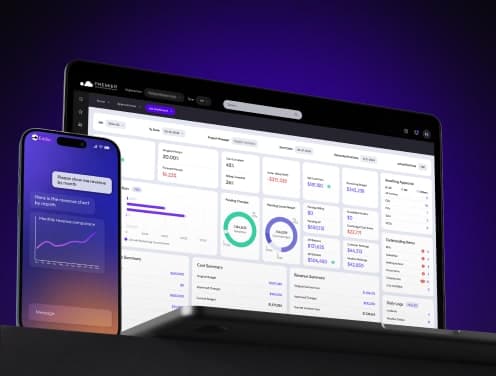
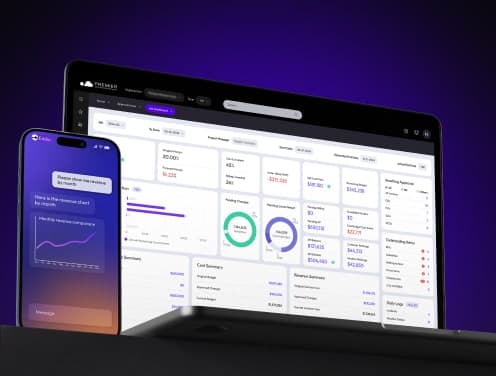
Digital tools have changed how we track risks. Supervisors can report new risks from their phones on site, while managers see live updates about open issues.
Conclusion
Risk management isn't optional in today's construction world; it's essential to keep projects alive and flourishing. This piece shows how risks pervade every part of construction projects, from pre-planning through completion. It also shows how these challenges affect budgets, schedules, and end up influencing your bottom line.
Of course, construction will always have uncertainties. Weather disruptions, labor shortages, supply chain problems, and regulatory changes remain in part beyond your control. But your response to these challenges determines whether a project fails or succeeds.
Risk management begins with identification. Your team should brainstorm potential issues before breaking ground to spot problems while they're still manageable. Risk matrices and registers help prioritize which threats just need immediate action. The proper response strategies, whether avoiding, controlling, transferring, or accepting risks, create a practical framework you can use.
Note that risk management needs constant attention. Project lifecycle reviews help catch emerging threats before they become crises. Digital platforms now enable immediate risk monitoring from job sites, giving your team complete visibility into potential issues.
The construction industry faces unprecedented challenges. Rising material costs, skilled labor shortages, and global supply chain disruptions create a perfect storm of risk. These obstacles become manageable with proper planning and systematic risk management processes.
Your construction projects can avoid becoming part of the overwhelming percentage that exceed budgets or miss deadlines. The strategies outlined here will help you build resilience into your projects from day one. This proactive approach protects your profits and builds your reputation for delivering successful projects despite inevitable challenges.
Latest articles


Trusted by global leaders
Join those who have put their trust in us