How to Create a Construction Project Management Plan: A Step-by-Step Guide for Success
Last updated: March 2026
The average construction cost for a new single-family home hit $428,215 last year.
Your budget can spiral out of control without proper planning. A construction management plan (CMP) keeps your projects together and boosts your chances of delivering on time and within budget by a lot.
A construction project management plan isn't just more paperwork. This detailed document outlines everything in your construction project. The plan creates standards for teams of all sizes and helps you optimize resources. You can spot potential issues before they get pricey.
Most construction projects have a budget. A CMP takes it further by documenting how you'll use funds, what reports you need, and which stakeholders should get updates. This well-laid-out approach to project planning makes the difference between chaos and smooth delivery.
Want to learn the steps to create an effective construction management plan that sets your next project up for success? Let's take a closer look!
What is a Construction Management Plan?
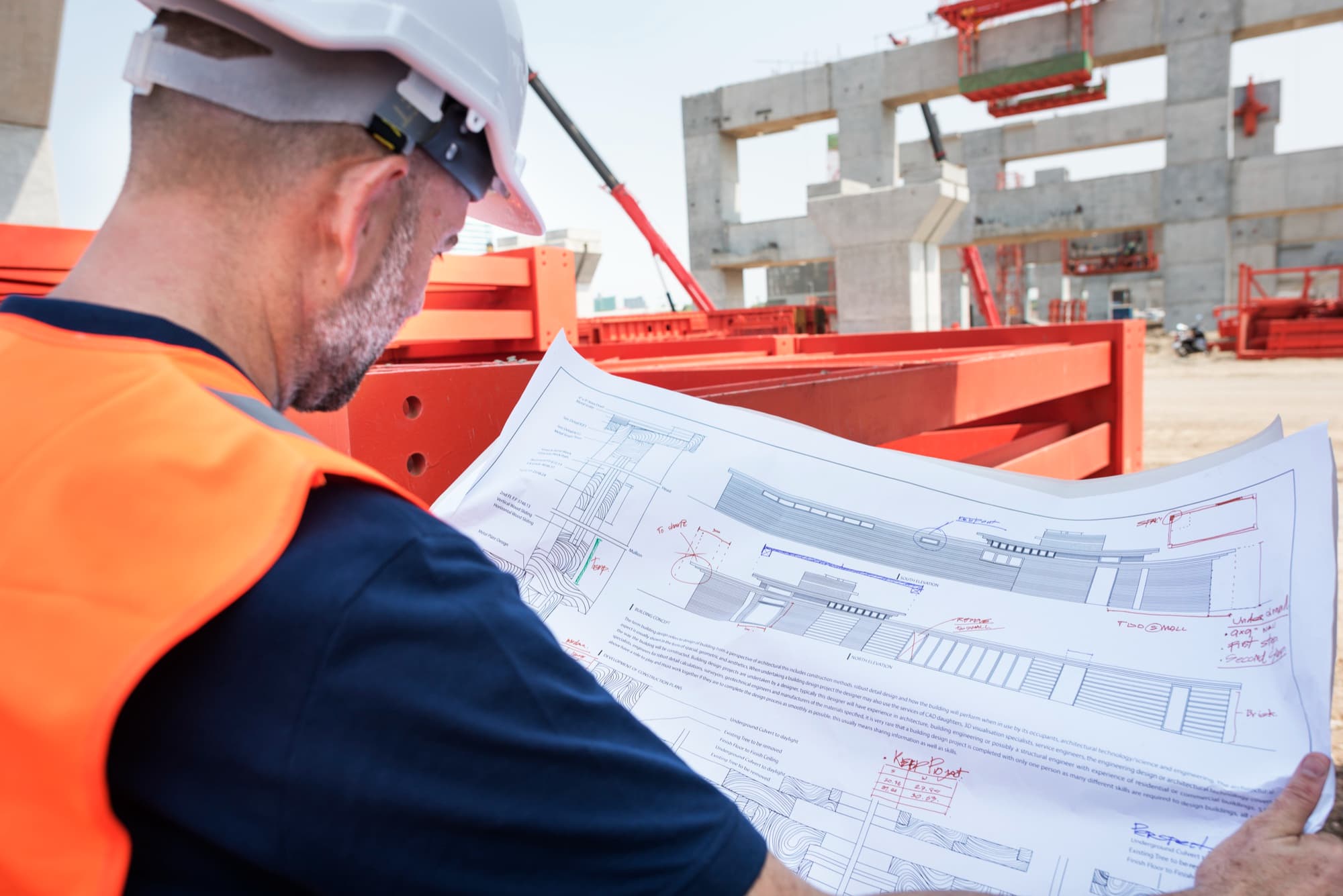
A Construction Management Plan (CMP) is the foundation of any successful building project. This large-scale document outlines nearly all aspects of a construction project from start to finish. Some professionals call it a Project Management Plan, but the function stays the same across the industry, whatever name you use.
The CMP works as a complete roadmap that shows how teams will execute, monitor, and control a construction project. You can think of it as your project's instruction manual, a central guide that shapes every decision and action during the building process.
Teams create Construction Management Plans during the planning phase, even before winning the project. Starting early helps teams understand the work's scope, spot risks, and get ready to tackle challenges that might pop up later.
The plan serves as a vital communication tool between all stakeholders. It spells out the client's intentions and gives key information to the project team, regulatory authorities, and other parties. This shared understanding keeps everyone's expectations and deliverables in sync.
The CMP's value comes from its complete coverage. The plan usually includes:
- Project objectives, scope, and deliverables
- Stakeholder roles and responsibilities
- Budget and cost management strategies
- Schedule with milestones and deadlines
- Risk assessment and mitigation approaches
- Quality control measures
- Safety protocols and compliance requirements
- Communication channels and reporting structure
- Procurement strategies and resource allocation
A solid Construction Management Plan brings many benefits. It sets clear objectives with goals, timelines, and deliverables. On top of that, it helps organize resources by placing materials, labour, and equipment where needed. The plan cuts down risks by spotting possible challenges early and creating backup plans.
Good CMPs keep all stakeholders in the loop throughout the project. This becomes crucial in construction, where coordinating multiple trades and vendors can make or break your schedule.
These plans adapt easily to change. Your CMP can grow and shift as the project moves through pre-construction, construction, and post-construction phases. This flexibility keeps the document useful as your project evolves.
Construction managers might worry about time investment, but here's the good news. The original CMP takes work to create, but you can turn many parts into templates for future projects. Safety protocols often stay similar for jobs in the same areas, and budget documents keep consistent formats. So, you'll only need to do much of the work once, then tweak it for new projects.
It's worth mentioning that a CMP is different from a Construction Phase Plan, which the Principal Contractor must complete to meet construction regulations. The CMP often borrows relevant details from the Construction Phase Plan at the right times.
A well-crafted Construction Management Plan works like your project's handbook. It guides everything from the first concept to final handover and helps deliver winning results time after time.
Step 1: Define the Project Scope
A solid foundation of defined boundaries marks the start of every successful construction project. The project scope serves as your project's foundation that sets clear limits around what your work will and won't have. Your team stays focused on delivering the client's exact needs through this crucial first step that prevents misunderstandings.
Clarify goals and deliverables.s
Your entire construction team gets direction from well-defined project goals. Your team needs specific and measurable objectives as guideposts throughout the project lifecycle. Your construction project management plan should document what you aim to accomplish and why.
To cite an instance, your goals could be completing a commercial building within 18 months, achieving LEED certification, or staying within a specified budget. Each goal should link directly to your client's business objectives.
Your project must produce these tangible deliverables:
- The physical structure itself
- Required documentation (permits, certifications, warranties)
- Operation manuals
- Any additional materials promised to the client
Note that your objectives should be SMART: specific, measurable, achievable, relevant, and time-bound. Your team gets concrete targets to work toward, and vague expectations disappear with this approach.
List what's in and out of the scope.
Detailed lists of what's included (in-scope) versus excluded (out-of-scope) come after clear goals. Picture this as drawing boundaries around your project responsibilities.
Your team's contractual obligations make up the in-scope items. Out-of-scope items show work your team won't handle. This difference prevents "scope creep", project requirements expanding beyond original agreements.
To cite an instance, see a house construction project. Your team might handle all electrical work and add those costs to your estimate if electrical wiring is in scope. The client might choose to handle electrical work themselves, making electrical wiring out of scope.
Both in-scope and out-of-scope documentation offer these benefits:
- Prevents misunderstandings about responsibilities
- Creates clear cost estimates
- Helps identify potential gaps in project planning
- Provides reference points if disputes arise
Your team gets protection from unplanned work without proper compensation through explicit exclusion lists.
Line up with client expectations.
Client satisfaction represents a critical measure of project success. Clients determine project scope and test project results, making their needs vital to success.
Deep conversations with your client about their vision, requirements, and constraints should start the process. Questions about not just what they want built, but why they want it, to help you understand their true needs. The scope lines up with these needs through this deeper understanding.
Regular communication with all stakeholders must continue during scope development. Everyone shares the same project vision and understands the deliverables through this shared approach.
Written documentation of client conversations prevents miscommunication. Formal agreements should outline:
- Project objectives and deliverables
- Responsibilities of all parties
- Timeline expectations
- Budget constraints
- Quality standards
Client expectations often change during projects, so your management plan needs processes for change requests. A formal approval process for scope changes helps manage expectations and stops unexpected cost increases or timeline extensions.
A solid foundation for all subsequent planning steps comes from time spent defining your project scope. Clear documentation builds trust with clients and boosts your chances of delivering a soaring win in your construction project.
Step 2: Identify Stakeholders and Team Roles
People, not just plans, drive successful construction projects. Your construction management process needs a clear outline of responsibilities. A project's complexity increases with each new stakeholder, which makes clear communication vital.
Who creates the plan
The project manager leads the creation of your construction management plan and coordinates all project activities. They work closely with clients to meet budgets, timelines, and specifications. The project manager collaborates with the owner or client, who commissioned your construction project, to build the foundations.
Key stakeholders who should contribute to plan development include:
- Project Owner/Client: Provides funding, sets project goals, and approves major decisions
- Architects and Designers: Create project designs and plans that match the client's vision
- Engineers: Bring specialized expertise in structural, mechanical, and electrical systems
- Construction Manager: Works with the project manager to deliver on key constraints, including time, budget, and quality
The plan comes together through collaboration between those responsible for its execution. Your project manager gathers input from all these viewpoints and spots any gaps between expectations and reality.
Assign responsibilities
Your team needs specific responsibilities after identifying key stakeholders. This builds accountability and ensures tasks get done.
The project's organizational structure comes first. Clear reporting lines make communication, accountability, and performance tracking easier. Create an organizational chart that shows who reports to whom, along with a document that spells out each role's duties.
Construction projects typically divide responsibilities between:
- C-Level Executives: Focus on company strategy and big-picture decisions while staying away from daily operations
- Project Manager: Handles schedules, budgets, resources, and monitors everything from start to finish
- Superintendent/General Foreman: Runs daily site operations and manages the construction workforce
- Site Clerk/Field Engineer: Manages documents, checks work quality, and reports to senior management
Roles change throughout the project lifecycle. Estimators, architects, and project managers lead during preconstruction. Superintendents and foremen take charge during active construction.
Document each role's specific duties, authority limits, and decision-making powers to avoid confusion. This formal approach to assigning responsibilities eliminates overlaps and ensures everything gets covered.
Include subcontractors and vendors.
Subcontractors handle specialized construction areas like plumbing, electrical, HVAC, and other specific tasks. Many projects fail due to poor subcontractor management, so they should join the planning process early.
Your plan should document:
- How subcontractor resources will log time, expenses, and material usage
- The approval process for subcontractor work
- Communication channels between your team and external partners
- Quality control measures for subcontracted work
Suppliers provide the physical resources needed for construction. The procurement team connects with these vendors to get materials and equipment. Your plan needs clear procurement processes and supplier coordination strategies.
The project manager might create formal subcontracts with vendors for complex projects, listing purchases as line items. This documentation clarifies deliverables and payment terms.
A clear definition of all stakeholders' roles creates the human foundation for your project's success. This step turns your construction project plan into a useful framework that everyone understands, stopping conflicts and confusion before they start.
Step 3: Build the Project Schedule
A realistic timeline lays the groundwork to deliver your construction project on schedule. Time management stands as one of construction's toughest challenges. Yet a proper schedule boosts your chances of completing projects as promised.
Use a Gantt chart or roadmap
Gantt charts rank among the most effective tools to schedule construction projects. These visual tools show your project's activities on a timeline. You can see task dependencies, durations, and sequences clearly laid out.
A standard Gantt chart has these key elements:
- Activities shown as horizontal bars that stretch from start to finish dates
- Timeline broken into days, weeks, or months
- Dependencies between tasks are indicated by connecting lines
- Milestones marked as most important points (often with diamond shapes)
- Resources assigned to specific activities
Project roadmaps offer a higher-level view as an alternative. These tools show general start and end dates for phases or activities, unlike detailed Gantt charts. Your team gets essential dates, project phases, and resource allocations in an easy-to-understand format.
These visual tools show overlapping tasks, slack time, or potential delays at a glance. Teams can quickly compare actual progress against the plan.
Set milestones and deadlines.
Milestones act as checkpoints that mark crucial progress stages throughout your construction project. These points have zero duration; they simply mark the completion of something significant.
Project approval, preliminary design completion, groundbreaking, foundation completion, weatherproofing, elevator installation, and the final finish date make up common construction milestones.
Clear milestones benefit your scheduling efforts in several ways. The core team can track progress against completion targets. Natural review points emerge to assess progress and make needed adjustments.
Your project needs specific milestones that line up with crucial construction phases. Make these well-laid-out and measurable to track progress precisely. Next, set realistic deadlines based on scope, available resources, and possible challenges.
Account for delays and buffers
Construction projects face delays as a systemic problem. The mechanisms behind these delays help build more realistic timelines. Poor planning, design changes, weather conditions, and regulatory issues cause most delays.
Build buffer time into your timeline to prepare for possible delays. Your buffers need to cover:
- Weather disruptions during seasonal construction
- Material delivery delays
- Subcontractor scheduling conflicts
- Inspection and approval waiting periods
The critical path method helps identify tasks that directly affect your completion date. This method lets you prioritize activities and distribute resources better to prevent schedule slips.
On top of that, you need a system to monitor timeline changes. Many construction managers update their Gantt charts daily to track progress against schedule. Quick updates help spot potential delays early. Small issues won't grow into major setbacks.
Note that good schedules change with your project. They provide quick insights and keep everything running smoothly. Careful planning, regular updates, and strategic buffer time will help you create a construction schedule that guides your project to success.
Step 4: Estimate Costs and Set the Budget
Your construction project management plan needs accurate budget planning as its financial foundation. Projects can quickly go off track without proper cost estimates. A reliable budget comes from analyzing cost elements and evaluating potential financial risks.
Break down material and labour costs.
Construction costs are split into two categories: direct and indirect costs. Direct costs connect to physical construction, materials, labour, equipment, and subcontractor expenses. Indirect costs include administrative expenses, property leasing, equipment rental, and operational costs.
The ratio between labour and material costs helps create better budgetsLabouror typically makes up 20-35% of total construction expenses, with materials taking 65-80%. These numbers can change based on project type and complexity. Labour costs might reach 40% for projects needing specialized workers.
Your budget should break down into these key categories:
- Direct Labour Costs: Employee compensation, payroll taxes, paid time off, insurance, and training costs
- Material Costs: Building materials plus procurement, transportation, and storage expenses
- Equipment Costs: Both owned and rented equipment
- Subcontractor Costs: All work by specialized contractorsLabourr costs tend to change more than material costs. You can predict material quantities from project size, but worker productivity changes with experience level, weather, and other factors.
Include contingency funds
Construction projects face unexpected challenges. Your financial safety net comes from a contingency fund that protects against unforeseen costs and changes. Most projects should set aside 5-10% of the total budget for contingencies.
Risk levels determine the right percentage:
- Low-risk projects: 5-10% contingency
- Medium-risk projects: 10-15% contingency
- High-risk projects: 15-20% contingency
Contingency budgets should cover price changes, design updates, unexpected site conditions, or needed construction modifications found during the building process. Project complexity and risk level affect the final amount.
A good construction management plan includes clear rules about contingency funds:
- Costs that qualify for contingency funding
- Steps to request and approve contingency spending
- Plans for unused contingency money at project end
Use historical data for accuracy
Past project information gives you valuable insights for accurate estimates. This data helps you choose materials wisely and create precise budgets.
Your company's previous projects provide the most reliable historical data. This information shows your construction methods, strengths, and local subcontractor market conditions.
Here's how to utilize historical data:
- Collect consistently coded cost information - Standard cost codes matched to work scopes create an easy framework for future estimates.
- Develop unit price databases - Track costs per square foot or unit measurements, not just total costs.
- Document project specifics - Note construction type, location, and cost factors to understand what the data represents.
Construction finance management software can help centralize project data and make past project details easily accessible during planning. Digital tools spot material price trends early, which leads to better cost forecasting.
Step 5: Plan for Risks and Safety
Risk management is the lifeblood of project protection in construction. Construction sites rank among the most dangerous workplaces. The industry sees nearly three fatal accidents daily. Smart risk planning helps turn uncertain situations into manageable parts of your construction project management plan.
Identify potential risks
Risks stay hidden until someone finds them through systematic identification. Project managers should lead risk identification efforts to keep projects running smoothly. The process looks at all possible risk sources through different methods.
Effective identification techniques include:
- Site inspections - Physical checks show on-site hazards like unstable ground, overhead power lines, or nearby structures that create access challenges
- Document reviews - Looking through construction drawings, specifications, and geotechnical reports reveals technical risks and design conflicts
- Team brainstorming - Workshops with supervisors, subcontractors, and engineers find risks that individuals might miss on their own
Everyone on the project team should help find risks, not just safety officers. Equipment operators spot maintenance issues, subcontractors know trade-specific hazards, and engineers identify technical problems.
Each risk needs an assessment based on how likely it is and what it means for the project. Risks get ranked as high, medium, or low, with high-impact, likely risks getting priority. This evaluation turns risk management from a thought exercise into something valuable for your project.
Create mitigation strategies
After finding and assessing risks, specific control strategies should follow a proven hierarchy. The hierarchy puts the most effective solutions first:
- Elimination - Remove hazards through redesign or method changes
- Substitution - Use safer materials or processes instead of dangerous ones
- Engineering controls - Add physical barriers, ventilation systems, or guards
- Administrative controls - Create procedures, training programs, and warning signs
- Personal protective equipment - Give out hard hats, harnesses, and other gear as the last line of defence
Each identified risk needs specific controls, responsible people, and deadlines. Your management plan should spell out which costs can use contingency funds and how to request them.
Your team should keep watching risks throughout the project. This ongoing alertness helps adapt to changes and handle potential threats before they become serious problems.
Include safety protocols and inspections.
Construction sites face many safety risks. Better equipment and protocols have helped reduce workplace incidents. Your project management plan needs detailed safety protocols that address common hazards.
A good safety plan includes:
- Hazard identification - Regular checks for current and potential site hazards
- Safety policies - Clear rules about what workers should do
- Emergency preparedness - Plans for handling accidents, illness, or natural disasters
- Training requirements - Programs that ensure workers understand safety rules
- Incident investigation - Steps to analyze incidents and find root causes
Site inspections play a crucial role in safety. They help spot hazards, maintain safety standards, and prevent project delays that get pricey. Inspections should happen at three key times: before construction starts, during the project, and after completion.
Good documentation turns inspection findings into applicable information. The risk register works as your main record, a living document that tracks every risk, evaluation scores, priority level, chosen controls, responsible parties, and current status.
OSHA sets strict rules to protect workers from job-site hazards like falls or asbestos exposure. Adding these rules to your safety plan shows dedication to worker protection and helps avoid penalties.
Detailed risk and safety planning protects your construction project from unexpected challenges that could hurt your schedule, budget, or quality standards.
Step 6: Set Up Communication and Documentation
Communication makes or breaks construction projects. Projects can quickly turn chaotic without proper information flow and documentation, even with perfect planning.
Define communication channels
A good mapping of all stakeholders kicks off the identification of the right communication pathways. Your construction management plan should list contact details of everyone - from the owner and GC to design teams, subcontractors, suppliers, and regulatory bodies.
The plan should outline methods you'll use for different types of information:
- Daily site meetings for immediate concerns
- Weekly coordination meetings for subcontractors
- Email chains for documentation trails
- Construction project management software for centralized updates
- On-site signage for safety protocols
The plan must establish a clear chain of command for communication. Many contracts require the owner and general contractor to communicate through the architect. This structure prevents confusion about who needs what information and when.
Schedule regular updates
Your project needs different update frequencies for different teams. Field crews need daily briefings, while owners might prefer weekly or biweekly progress reports. Setting these expectations early helps avoid information overload for some stakeholders while preventing communication gaps for others.
Create a system to document key points from all verbal discussions. A simple but effective approach is to send follow-up emails that summarize the conversation highlights. This habit can prevent disputes about what people said or agreed upon.
Bad communication leads to project delays. Poor data management can cause up to 16% of all construction rework globally. This is a big deal as it means that contractors with billion-dollar revenues could lose up to $165 million.
Centralize project files
A single, available location for all construction documents helps improve efficiency and makes information retrieval easier. This becomes crucial as more stakeholders join your project.
Document management software works better than traditional filing systems. Digital solutions are a great way to get features like version control, access permissions, and immediate collaboration capabilities. These tools ensure everyone works with the latest document versions, no matter where they are.
A centralized repository also boosts data security by limiting access to authorized personnel only. The well-laid-out storage system makes finding and updating files easier, which reduces human error in document handling.
Your construction management plan should detail the file organization system, identify who maintains them, and explain how people can request document access throughout the project lifecycle.
Step 7: Finalize Procurement and Resource Plans
Your construction material and resource supply chain starts with good procurement planning. Materials make up 65-80% of total construction costs, so smart buying choices will affect your bottom line.
List required materials and equipment.
A full picture of your needs comes first. You need to identify all materials, equipment, and subcontracted services your project requires. Make a detailed list of materials with quantities, dimensions, and types. Your equipment needs should tell you whether to buy or lease specialized machinery like cranes and excavators.
Create a procurement workflow.
A well-laid-out procurement process should follow these steps:
- Specification development - Define quality criteria for all items
- Vendor prequalification - Screen suppliers based on experience and reliability
- Request quotes from qualified vendors
- Bid evaluation based on cost, capabilities, and reputation
- Contract negotiation, finalizing pricing and delivery schedules
- Order management coordinating logistics
Digital procurement systems cut down errors and give you up-to-the-minute data analysis of purchase orders. These tools link estimates directly to vendor databases, making the process more efficient.
Coordinate with suppliers
Good supplier relationships help ensure reliable material deliverywhich you need to keep projects on schedule. Clear contracts should spell out pricing, delivery schedules, and quality standards. Your organization needs specific contact people for suppliers. Regular meetings work best to discuss project progress and upcoming needs.
Smart companies broaden their supplier base for critical materials like steel or concrete. This builds a stronger supply chain that can handle unexpected challenges.
Conclusion
A complete construction project management plan demands time and effort, but your projects will see substantial rewards. Your well-laid-out CMP boosts the chances of delivering projects within budget and schedule while you retain control of quality standards throughout construction.
Your construction management plan acts as the single source of truth for everyone involved in the project. A proper scope definition sets clear boundaries around included and excluded work. It also helps identify all stakeholders and define their roles, which creates accountability at every project level.
The project schedule becomes your path to success, especially with realistic buffers built in for possible delays. Accurate cost estimation safeguards your bottom line, and contingency planning provides financial flexibility when surprises pop up.
Risk management and safety protocols shield your workers and project timeline. Without these vital elements, accidents can stop progress and get pricey. Clear communication channels help avoid misunderstandings that often result in costly rework.
Smart procurement planning ensures materials arrive when needed. This prevents those frustrating standstills that often plague poorly managed construction sites.
The CMP you create today guides your team through the entire project lifecycle. These seven steps will help your projects run smoothly. Your teams will collaborate better, and clients will love the results.
Note that your CMP should evolve as your project moves forward. Regular reviews and updates ensure it stays relevant from groundbreaking to final handover. Put these steps into practice in your next construction project and watch a structured approach turn good results into exceptional ones.
Latest articles


Trusted by global leaders
Join those who have put their trust in us