How to Integrate BIM and CAD with Construction ERP: A Practical Guide
Last updated: March 2026
Document management systems can cut overhead costs by 30 to 40 percent through better worker productivity. Your projects can see the same game-changing benefits by combining BIM CAD construction ERP systems.
Many construction businesses still use disconnected systems that depend on spreadsheets and paper trails. This fragmented setup guides them toward delays, errors, and budget problems. Your project lifecycle becomes more productive and efficient by connecting BIM and CAD with construction ERP. On top of that, it helps estimate costs accurately, reduces mistakes, improves visualization, and makes project scheduling better.
The right combination of these technologies lets BIM provide accurate numbers while your ERP takes care of finances. You'll know exactly what materials you need from the start - everything from mesh quantities to structural components. This integrated approach works well with modular construction methods, which are becoming popular as people just need affordable housing and green construction.
This piece shows you how to link your design tools with financial systems step by step. You'll learn to break down data silos and create a continuous flow of information that revolutionizes your construction project management.
Understanding the Role of ERP in Construction Projects
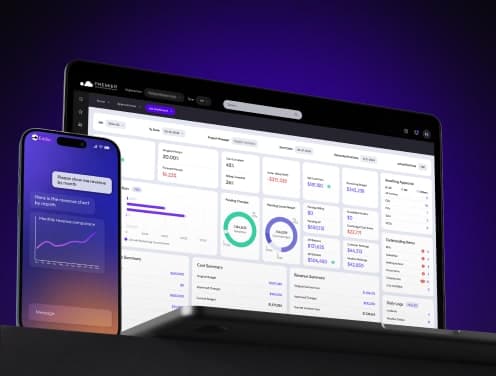
Construction Enterprise Resource Planning (ERP) forms the backbone of modern construction businesses. Construction ERP software unifies project management, financial operations, and resource planning into a single system. The global construction management software market will reach USD 6520.8 million by 2028 from USD 2146.2 million in 2021, with a CAGR of 17.0%.
ERP vs Traditional Project Management Tools
Scope and integration set construction ERP apart from traditional project management tools. Traditional tools focus on planning, scheduling, and tracking specific projects. They excel at tasks like scheduling, resource allocation, and progress monitoring. These tools often come with simpler implementation and lower upfront costs.
These traditional tools create isolated data environments. The estimating team uses one system, project managers use another, and accounting settles everything in a third. This separation results in delayed insights and reactive decision-making.
Construction ERP systems offer a detailed platform that links every part of your business. They integrate:
- Financial management and job costing
- Project scheduling and resource allocation
- Field operations and time tracking
- Supply chain and procurement management
- Human resources and payroll processing
This integration breaks down information barriers and gives up-to-the-minute data analysis across operations. Teams learn about job performance instantly rather than waiting until month-end to check costs, labor use, and schedule compliance.
On top of that, construction ERP delivers advanced features that standalone tools can't provide. The integrated job costing helps track actual expenses against estimates throughout a project's life, spotting potential overruns early. Automated workflows for change orders stop scope creep - a common way profitable projects turn into losses.
Why Construction ERP Needs Industry-Specific Features
Generic business software can't handle the unique challenges of the construction industry. Standard ERP systems built for manufacturing or retail struggle with construction requirements like job costing, percentage-of-completion accounting, and managing subcontractors across multiple projects.
Construction companies work with specific financial models including progress billing, retainage, change orders, and milestone-based revenue recognition. These unique needs call for purpose-built solutions instead of generic business software.
A construction-specific ERP must align with construction project lifecycles and industry workflows. Essential industry-specific features include:
The core starts with resilient infrastructure for project management tailored to construction, including resource scheduling, subcontractor management, and daily progress reporting. Next comes specialized financial tools that handle cost value settlement and show project profitability in real-time. The system also needs detailed compliance management for safety standards, building codes, and environmental regulations.
Equipment and resource management features optimize use across projects. Contract and change order management capabilities let teams track project scope changes and handle billing based on contract terms.
Industry analysis shows companies start looking at construction ERP solutions between USD 20-50 million in annual revenue or with 20-50 employees. Simple accounting software and disconnected tools begin to limit growth at this stage.
Construction ERP acts as the digital foundation connecting design tools like BIM and CAD with operational and financial systems. This connection creates a unified space where information flows naturally between departments. It eliminates duplicate data entry and shows project health in real-time.
What BIM and CAD Bring to the Table
The construction design process relies on two powerful digital tools that play complementary but unique roles in your projects. You need to understand how Building Information Modeling (BIM) and Computer-Aided Design (CAD) contribute to explain why connecting them with your construction ERP creates value.
BIM for Lifecycle Visualization and Data
BIM goes way beyond 3D modeling, it's a complete methodology to manage a building's entire lifecycle. Unlike traditional design approaches, BIM creates intelligent digital representations with detailed data about buildings' physical and functional characteristics. This information-rich environment becomes a shared knowledge base that supports decisions from concept to demolition.
BIM's core features include:
- A centralized data model where project information exists in a shared database
- Smart building elements that update automatically with changes
- Built-in details about materials, performance specs, and lifecycle data
- Teams can collaborate in real-time across disciplines
BIM's strength comes from its comprehensive view. It goes beyond visualization by blending scheduling (4D BIM) and cost data (5D BIM) with the 3D model, which adds vital layers to improve project planning. On top of that, it spots conflicts between building systems before construction starts, you'll save money by avoiding expensive fixes during construction.
CAD for Technical Design and Drafting
CAD software shines at creating precise technical drawings and specs that build the foundation of design work. It serves as the main tool for detailed 2D drafting and 3D modeling with high accuracy. What started as a replacement for manual drafting now powers everything from architectural plans to component designs.
CAD's technical advantages are clear:
The software creates complex designs and technical schematics with minimal drafting errors. Design workflows become faster through libraries of common components and templates. You get essential tools for dimensioning, annotation, and bill-of-material creation.
CAD gives your construction projects the precision needed for detailed technical documentation. You'll find it valuable for creating floor plans, elevations, and component-level specs that need exact measurements. Cloud-based CAD software now lets multiple users work together in real-time with reliable version control to keep designs intact.
How BIM and CAD Differ in Functionality
BIM and CAD take different approaches to building representation. CAD works mainly as a drawing tool where you must draw elements one by one, making it detail-focused but more time-consuming. BIM uses parametric modeling where smart building components update automatically when changes happen.
These tools handle data differently too. BIM uses a centralized data model, while CAD creates separate files for each drawing or model, which needs manual coordination. Industry data shows that 30% of AEC professionals face project delays from file format conflicts, and 40% spend extra time on manual file conversions.
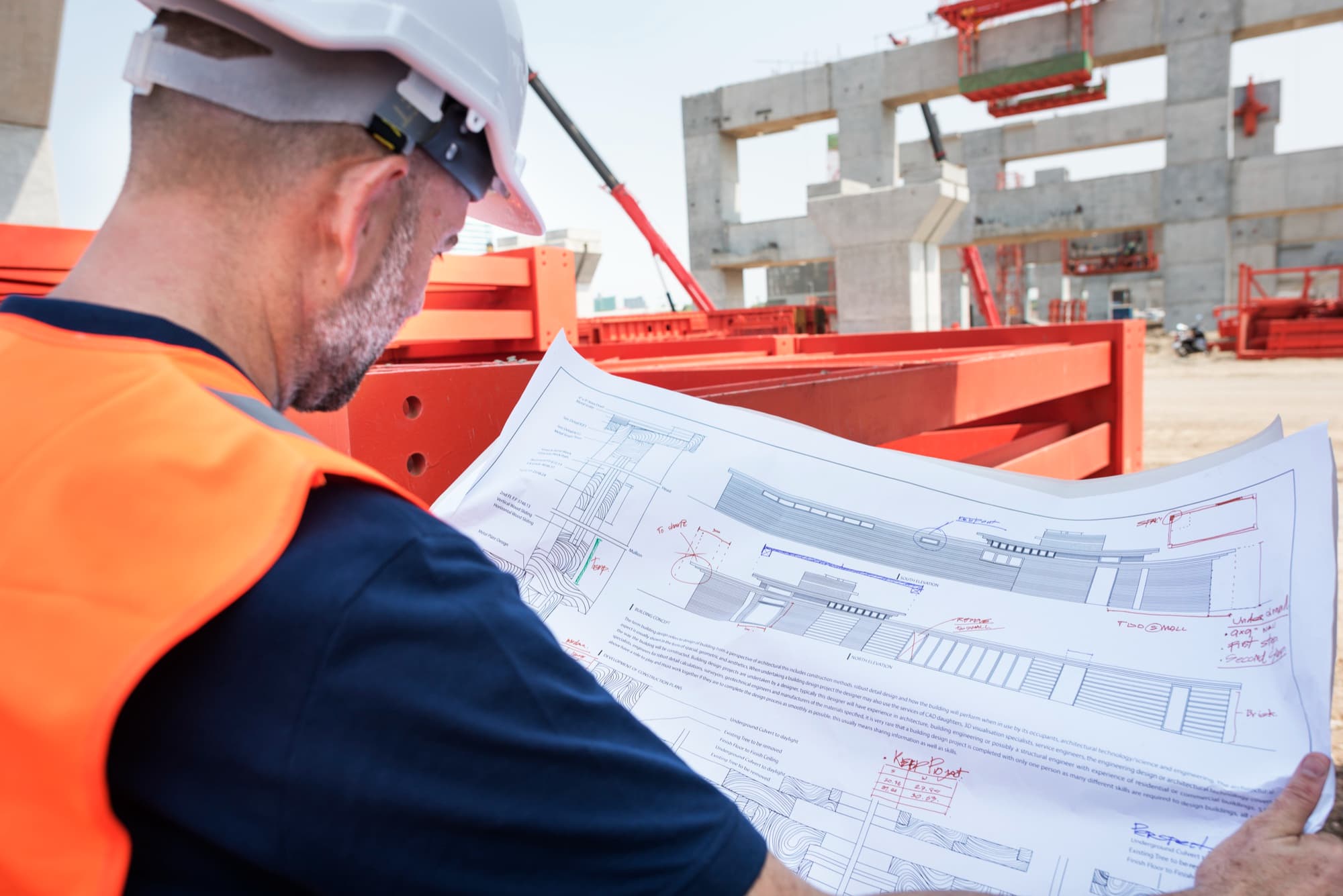
Your project lifecycle needs both CAD and BIM for different purposes. CAD excels at creating detailed 2D drawings and technical documentation with precise measurements. BIM stands out in 3D modeling and offers a detailed view with extensive data connectivity. They work best together, CAD handles detailed technical drawings while BIM manages the integrated, data-rich project environment.
You'll get the best results by using both technologies to their strengths. Start your conceptual design in BIM to use its powerful modeling and collaborative features, then utilize CAD for the precise technical drawings needed in construction documentation. This approach lets BIM handle the big picture while CAD takes care of the critical details, creating a perfect foundation to integrate with your construction ERP system.
Why Integrating BIM and CAD with ERP Matters
BIM software connected to financial systems changes how construction projects work. A unified system of BIM, CAD, and construction ERP creates smooth information flow that removes common obstacles.
Bridging Design and Execution Gaps
The gap between design and execution remains one of construction's biggest problems. Reality shows that well-designed plans often look nothing like the finished building. A program manager at Tiffany & Co. pointed out that their stores looked completely different from approved renderings. This mismatch wastes money, causes delays, and hurts relationships.
BIM and ERP systems work together naturally to close this gap. The setup works like this: ERP acts as your project's brain to handle money matters, while BIM feeds it the data it needs. New components added to a BIM model turn into numbers that commercial teams can use for accurate bids.
Building Information Modeling lets architects, engineers, and builders work together on one digital platform. Teams can spot conflicts and make informed choices before breaking ground. The system updates planning data for everyone when construction changes happen.
A real-world example shows how this works: BIM-ERP integration sends quantities straight to estimating systems. These connect to current material prices, labor costs, and subcontractor bids. Design changes trigger automatic updates to quantities and flag any cost differences.
Reducing Data Silos Across Teams
Construction teams often work in isolation. Estimating, scheduling, procurement, and field teams use their own tools with little overlap. This separation leads to mixed messages, wasted effort, and poor teamwork.
A combined BIM-CAD-ERP system creates one central source of information that everyone can access. Data flows through clear paths to reach the right people at the right time. Updates happen instantly to prevent errors from delayed communication.
Numbers tell the story. Teams work with current data instead of old quantity lists. This prevents wrong orders, delays, and extra costs. Teams can compare estimated versus actual performance without painful manual calculations.
The ERP platform becomes the single source of truth. Teams build what experts call a "golden thread" of data that tracks information from start to finish. Projects become more transparent and teams more accountable.
Improving Real-Time Decision Making
Quick access to fresh information changes how teams make decisions. Project managers see the true project status and make better business choices faster.
Smart organizations bring their ERP teams into BIM discussions early. This helps build a complete picture and estimate costs sooner. Live quantity data shows exactly how much mesh a project needs in pieces or square meters.
Connected systems make analysis easier. Teams can test different scenarios quickly and see their effects. Model changes trigger alerts about cost impacts. Project managers track budget changes and keep purchasing on track.
Integration helps beyond single projects. Teams compare actual labor hours to BIM-based estimates, spot materials with changing prices, and check vendor performance. Past project analysis makes future estimates more accurate.
Core Benefits of BIM-CAD-ERP Integration
BIM-CAD-ERP systems help organizations cut project costs and timelines. This triple integration builds strong foundations for construction projects beyond just making things more efficient. Let me get into the three biggest advantages this approach brings, based on real evidence.
Centralized Project Data Access
The integrated BIM-CAD-ERP ecosystem works as a single hub for all project information. It serves as the source of truth throughout your project's lifecycle. This central connection point brings together millions of data points that would stay isolated in separate silos.
Your team members can access current information in real-time, whatever their location - on-site or in the office. This easy access changes how decisions get made. Staff members no longer waste time looking for the latest documents or working with old information.
The centralized platform handles RFIs, submittals, change orders, and compliance docs. Team members from every discipline can work on the same models and data at once. This breaks down the walls between design, management, and field teams.
This setup is different from old approaches where project teams used their own software and methods. Without integration, design teams often solved RFIs internally while contractors stayed in the dark. A central system creates teamwork where everyone adds their expertise during reviews.
Improved Cost Estimation and Budget Tracking
The BIM-CAD-ERP connection brings amazing accuracy to financial management. Your 3D models link to the ERP and automatically extract quantities and costs instead of manual calculations. This creates better estimates with much less work.
You can manage costs more actively. The BIM model's accurate quantity takeoff during design flows right into your construction ERP system. This gives you:
- Live expense tracking against estimates
- Quick spotting of possible cost overruns
- Fast responses to budget issues
- Better project resource planning for profit
Money matters stay clear throughout your project. The integrated model shows exactly how many pieces or square meters of materials each project needs. This removes guesswork and leads to smarter buying decisions.
The system creates a baseline to track inventory, materials, workforce, finances, and budgets against original plans. This detailed tracking leaves little room for confusion and lets you fix problems quickly when they pop up.
Fewer Errors from Manual Data Entry
The U.S. economy loses about $3.10 trillion yearly due to bad data. Manual data entry causes many of these losses through various mistakes:
- Switched numbers
- Missing information
- Double entries
- Mixed-up formats
BIM-CAD-ERP integration cuts these problems by automating data movement between platforms. Data flows directly between design and financial systems with minimal human input.
Less manual work brings clear benefits beyond accuracy. Your team spends more time analyzing data for practical insights instead of typing it in. The integrated system's validation rules catch potential mistakes before they spread.
Best of all, your integrated system keeps data consistent across all areas. Design changes automatically update cost calculations. Everyone stays on the same page about current specs and requirements without extra messages or paperwork.
Step-by-Step Integration Workflow
A successful integration needs careful planning and execution. Here's how to connect your BIM and CAD systems with your construction ERP platform.
1. Define Data Exchange Standards (e.g., IFC)
Industry Foundation Classes (IFC) works like the PDF of the 3D modeling world. This universal format makes shared communication between different software platforms possible. The vendor-neutral, ISO-certified standard serves as the foundation of any integration strategy.
IFC structures building information through an object-oriented system. Each building element exists as an entity with specific attributes and relationships. This layout lets you pull both specific details (like road lane numbers) and general properties (such as what it's made of) from one model.
Your best bet is to pick technologies that follow industry standards like IFC. The format comes in several types:
- .ifc: The standard text format for general model exchange
- .ifcXML: XML-based format that works best for web applications
- .ifcZIP: Compressed format that handles large models well
Note that early stakeholder involvement matters in standards selection. Construction teams get better results when they bring ERP specialists into discussions early. This approach leads to quicker cost estimates and better system alignment.
2. Map BIM/CAD Outputs to ERP Inputs
After setting your exchange standards, you'll need a clear map between BIM/CAD outputs and ERP inputs. This step shows which design system data points match your financial and resource planning software fields.
The mapping process usually covers:
- Matching BIM elements with specific ERP cost codes
- Figuring out how material quantities convert to procurement records
- Setting up design change triggers for estimate and budget updates
Good mapping lets quantities from your BIM model flow straight into your ERP's estimating engine. This connects to live material prices, labor costs, and subcontractor bids. The result eliminates double data entry and creates a smooth flow from model to estimate to execution.
3. Set Up Live Sync or Batch Imports
Once your data points are mapped, choose between live synchronization or scheduled batch imports. Each option has its benefits based on project needs.
Live synchronization creates a two-way connection between systems. Both platforms talk to each other non-stop. Design changes update quantities right away and trigger new estimates. Cost variances get flagged immediately. This works best for quick-moving projects where teams need instant updates.
Batch synchronization updates at set times, which suits stable projects or teams with limited bandwidth better. Some teams find the sweet spot with automated workflows. For example, design approval in Autodesk Vault can automatically create a new BOM version in the ERP system.
4. Verify Data Consistency Across Systems
The last step needs strong validation to keep data clean across platforms. Even the best integration can fail without proper checks.
A quality control checklist should cover pre-export model cleanup, export setting checks, and post-export validation. Built-in rules can catch problems before they spread through your project.
Automated data validation methods help maintain quality. These checks look at integrity, accuracy, and structure before data enters your business operations. Key checks include:
- Looking for missing fields or required attributes
- Making sure quantities make sense
- Checking part numbers against standard formats
- Confirming spatial relationships in the model
Regular sync and quality checks help maintain data consistency throughout your project.
Common Integration Challenges and How to Solve Them
BIM-CAD systems and construction ERP integration offers clear benefits but comes with its share of technical challenges. A recent industry study shows 30% of AEC professionals face project delays because of file compatibility problems. The same study reveals 40% spending valuable time manually converting files.
Incompatible File Formats Between Systems
File format conflicts create the biggest roadblock when combining design and financial systems. Teams typically use different BIM software packages with their own formats that don't naturally align. Picture an architect using Revit while structural engineers work with Tekla or ArchiCAD - compatibility issues pop up right away.
These compatibility problems show up in several ways:
- Data gets lost during system transfers
- Elements, parameters, or metadata disappear after conversion
- Manufacturing model integration distorts model information
Automated file conversion tools help tackle these challenges. Take Autodesk's DWG Migration app - it converts formats and checks for data integrity issues like long file paths or unsupported references. Your project needs standardized data exchange protocols from day one to minimize translation errors.
Training Gaps Across Teams
Perfect technical integration means little without addressing human factors. Construction companies don't deal very well with skills gaps caused by inadequate training and weak institutional structures.
Research indicates most construction professionals either know little about emerging technologies, lack proper training, or miss the technical skills needed. These gaps affect all disciplines but hit hardest when teams work between design and financial systems.
A comprehensive approach helps solve these challenges:
- Set coordinated training standards for integration workflows
- Give targeted upskilling to staff working across systems
- Build a culture that embraces technological change
These challenges might look overwhelming at first, but most companies find their way through them successfully. Small pilot projects let teams learn integration processes without putting bigger initiatives at risk.
Tools and Platforms That Support Integration
Software combinations are the foundations of construction companies that want to connect design with operations. Let's get into the best platforms that support BIM-CAD-ERP integration.
Autodesk Revit + SAP Integration
Autodesk Revit and SAP work together to create a powerful system that connects building models with financial systems. You can use native CAD and BIM data in SAP straight from the cloud without any conversion.
This combination lets you create SAP master data right from your model. Your team can look at SAP data through building model visuals, which makes complex financial information available to design professionals. The system works with SAP's product family to handle enterprise asset management, facility management, and real estate operations.
The practical benefit is that you can launch SAP processes using visual information from your models. Complex projects need tight coordination between design and finances. Tools like Autodesk Construction Cloud Connect can simplify processes between Revit and SAP systems. Both platforms stay in sync throughout the project.
Navisworks with Oracle Primavera
These tools excel at creating 4D models that show construction sequences based on project schedules. Some teams face connection challenges, especially with P6 Pro without EPPM and Webservices. Yet the link between these platforms proves valuable for construction planning.
Oracle's Smart Construction Platform helps project teams connect and coordinate activities precisely. The platform offers ready-made workflows that link different Oracle construction tools, including Primavera Cloud Schedule.
Teams can follow specific steps to bring Primavera data into Navisworks TimeLiner while keeping schedules accurate. Stakeholders can see how schedule changes affect the actual construction sequence. This visibility helps reduce coordination mistakes that can get pricey.
Best Practices for Long-Term Success
BIM-CAD-ERP integration marks the beginning of continuous improvement in engineering-to-manufacturing processes rather than being a one-time event. These practical steps will help you maximize value and minimize disruptions.
Start with a Pilot Project
Your integration approach needs testing on a smaller scale before a company-wide rollout. This strategic approach prevents things from getting pricey through regular testing and validation. A pilot lets you focus on high-value processes right away. You'll see tangible benefits quickly while building solid foundations for future growth. The construction ERP-BIM pilot project gives your team room to adjust workflows and make needed changes based on actual results.
Involve All Stakeholders Early
The success of integration depends on bringing the core team from different departments into discussions from day one. Engineering, IT, operations, finance and field teams working together during planning helps avoid blind spots. This early involvement creates shared ownership of the new system and helps everyone understand how technological changes affect organizational goals. Input from various functions helps identify workflows that deliver immediate value.
Maintain Version Control and Audit Trails
Clear governance with defined data ownership and accountability frameworks forms the foundation. Your team needs systematic management of document changes so project stakeholders work with correct file versions. This creates transparency throughout projects and eliminates confusion about current information. Version control helps with audits, dispute resolution, and post-project evaluations by tracking every change, its author and timestamp.
Schedule Regular Sync and QA Checks
Your integrated systems stay smooth with ongoing validation. Automated validation methods should verify data integrity, accuracy, and structure before information enters business operations. Data consistency across platforms throughout your project lifecycle improves with regular quality checks. Note that this is continuous improvement, not a fixed destination, letting your system evolve with your business needs.
Conclusion
BIM-CAD-ERP integration reshapes how construction companies operate. This piece shows how eliminating data silos creates smooth data flow between design tools and financial systems. Such connections enable up-to-the-minute decision making, boost cost estimation accuracy, and reduce manual data entry errors by a lot.
Results prove the system's worth. Teams get centralized access to project data and no longer waste time searching for current information. Cost estimates become more precise when quantities flow automatically from models into financial systems. The automated data transfer also eliminates the risk of expensive manual errors that plague disconnected systems.
Starting this process doesn't need huge organizational changes. A pilot project helps test your integration approach, spot potential risks, and show value quickly. Early involvement of stakeholders from all departments helps gather various viewpoints and creates system ownership. Regular quality checks keep data consistent as your integration grows.
While challenges like incompatible file formats and legacy system limits exist, solutions are available. Standardized data exchange protocols and middleware platforms help bridge these gaps.
Construction companies that link their BIM-CAD systems with ERP gain an edge over competitors. Efficient workflows, financial clarity, and fewer errors lead to better project outcomes. Companies become more agile, responsive, and profitable when information moves smoothly between design and execution.
Construction industry's digital transformation continues to evolve. Companies that accept new ideas in integrated technology ecosystems today set themselves up for future success. Your next project deserves the precision, efficiency, and transparency that comes from connecting design tools with business systems.
Latest articles


Trusted by global leaders
Join those who have put their trust in us